

A leaky faucet or a loose cabinet hinge can feel like a satisfying weekend project, but not every repair around the house is meant for a trip to the hardware store and a YouTube tutorial. Some jobs are genuinely safe for beginners to tackle, while others carry real risks to your safety, your home’s structure, or your wallet if they go wrong. Knowing the difference before you pick up a tool can save you from costly mistakes, voided warranties, or even dangerous accidents. This guide breaks down common home repairs by category so you can decide with confidence what to handle yourself and what to leave to a professional.
Patching Drywall and Touching Up Paint
Small holes, dents, and scuffs in drywall are among the most beginner-friendly repairs you can take on. With a putty knife, some spackle, and fine-grit sandpaper, most homeowners can achieve a smooth, paint-ready surface in under an hour. Painting touch-ups are similarly low-risk since mistakes are easy to correct with another coat.
The key to success is matching texture and sheen so the repair blends in rather than standing out. Keep in mind that larger holes, especially those near electrical outlets or plumbing lines, may signal a bigger issue worth investigating further before you seal everything up.
- Use lightweight spackle for small nail holes and dents
- Apply joint compound in thin layers for larger patches
- Sand between coats for a seamless finish
- Prime before painting to avoid flashing or uneven color
Unclogging Slow Drains and Minor Plumbing Fixes

A slow-draining sink or tub is often caused by hair, soap scum, or grease buildup that a plunger, drain snake, or enzymatic cleaner can resolve without professional help. These tools are inexpensive, widely available, and safe to use as long as you avoid harsh chemical cleaners that can damage older pipes. Tightening a loose faucet handle or replacing a washer are also manageable tasks for most homeowners.
However, recurring clogs, gurgling sounds, or multiple drains backing up at once usually point to a deeper problem in the main line. At that point, calling drain cleaning services is a smarter move than repeatedly fighting the same clog, since professionals have cameras and augers that can clear blockages far beyond what a store-bought snake can reach.
- Try a plunger or hand auger before chemical drain cleaners
- Clean P-traps regularly to prevent buildup
- Watch for slow drains in multiple fixtures, a sign of a larger issue
- Avoid pouring grease or coffee grounds down the sink
Replacing Light Fixtures and Switches
Swapping out a light fixture or switch can be a reasonable DIY project if you are comfortable shutting off the breaker and following basic wiring diagrams. Many fixtures come with straightforward instructions, and the wiring involved is usually simple enough for someone with patience and a voltage tester. Still, this is a task where double-checking your work matters, since a loose wire nut or reversed connection can cause flickering or overheating down the line.
If your home has aluminum wiring, outdated fuse boxes, or you are unsure about grounding, it is best to step back and call a licensed electrician. Electrical mistakes are not always obvious right away, and they can pose fire risks that outweigh the savings of doing it yourself.
- Always shut off power at the breaker before starting
- Use a non-contact voltage tester to confirm power is off
- Label wires with tape if you are unsure of placement
- Call a professional if you smell burning or see scorch marks
Repairing Roof Leaks and Shingle Damage
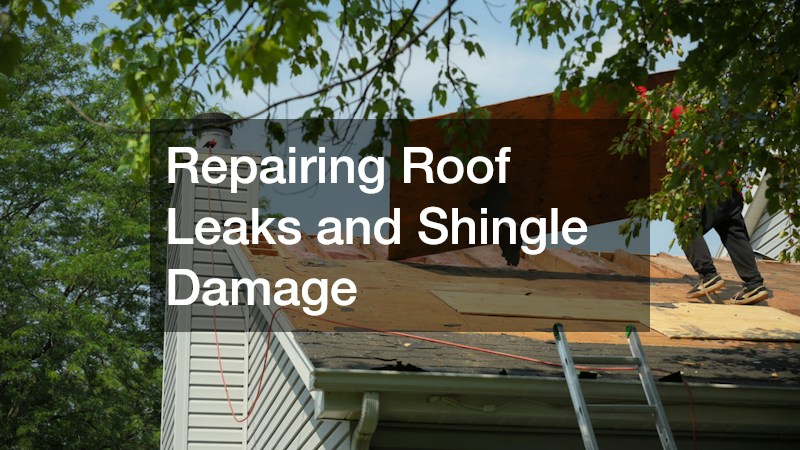
A missing shingle or minor roof leak might seem like a quick fix, but working at height on a sloped surface is one of the riskiest DIY projects a homeowner can attempt. Falls from roofs send thousands of people to the emergency room every year, and even a small misstep can lead to serious injury. Beyond the safety concerns, an improperly sealed patch can trap moisture and cause rot that is far more expensive to repair than the original leak.
This is a job where hiring experienced roofers makes sense, since they have the harnesses, ladders, and training to work safely at height. A reputable roofing contractor can also spot underlying issues, like damaged flashing or ventilation problems, that a homeowner might miss during a quick visual inspection. Getting a professional assessment early often prevents a small leak from turning into a full roof replacement.
- Never attempt roof repairs during wet or windy weather
- Look for granule loss in gutters as an early warning sign
- Avoid walking on roofs without proper fall protection
- Schedule a professional inspection after major storms
Installing New Windows and Weatherstripping
Replacing worn weatherstripping or caulking around window frames is a manageable task that improves energy efficiency without much risk. These small upgrades require minimal tools and can noticeably reduce drafts during colder months. Homeowners comfortable with basic measurements can also handle simple storm window installations.
Full window replacement is a different story, since it involves precise measurements, structural framing, and proper sealing to prevent water intrusion. A professional window installer understands how to account for settling, insulation, and local building codes in ways that are easy to overlook on a first attempt. Poorly installed windows can lead to drafts, leaks, and even mold growth inside the wall cavity, making this a repair worth leaving to someone with specialized experience.
- Reapply caulk around window frames every few years
- Check weatherstripping for cracks or gaps before winter
- Measure twice when considering any window-related project
- Watch for condensation between panes, a sign of seal failure
Addressing Sewer Line Backups and Yard Drainage
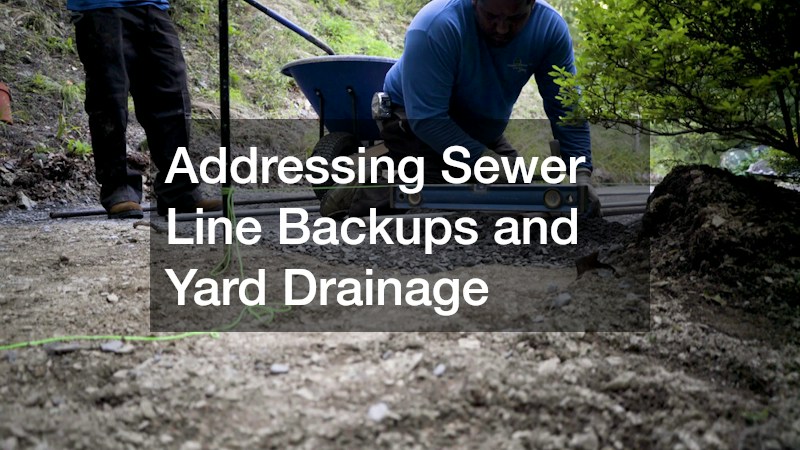
Persistent sewage smells, gurgling toilets, or soggy patches in the yard can indicate a problem much deeper than a simple clog. These symptoms often point to cracks, root intrusion, or collapsed sections within the main sewer line running from your house to the municipal connection or septic system. This is not a repair homeowners should attempt themselves, since it typically requires excavation equipment and specialized camera inspection tools.
In many cases, modern sewer lining techniques allow professionals to repair damaged pipes without digging up the entire yard, which saves time and landscaping costs. This trenchless method involves inserting a resin-coated liner into the existing pipe, creating a durable new interior surface. It is a complex process best left to trained technicians who understand soil conditions, pipe materials, and local permitting requirements.
- Watch for recurring backups in multiple drains as a warning sign
- Note unusually green or soggy patches in the yard
- Avoid planting trees directly above sewer lines
- Request a camera inspection before agreeing to major excavation work
Maintaining Septic Systems and Outdoor Tanks
Routine septic maintenance, like keeping records of pump-out dates or avoiding excessive water use, is something homeowners can manage on their own. Simple habits, such as spacing out laundry loads and avoiding flushing wipes or grease, go a long way toward preventing premature system failure. Checking for standing water or unusual odors near the tank area is also a reasonable DIY inspection task.
Actually opening, inspecting, or repairing a septic tank is far riskier than it looks, since these tanks contain dangerous gases and require specialized equipment to service safely. Attempting to pump or repair one without proper training can expose you to toxic fumes or structural collapse risks. A licensed septic professional has the tools and certification to handle inspections, pumping, and repairs without putting your household at risk.
- Keep a maintenance log of pump-out dates and inspections
- Avoid parking vehicles or building structures over the tank
- Watch for slow drains throughout the house as an early warning
- Never attempt to open or enter a septic tank yourself
Servicing Heating and Cooling Equipment
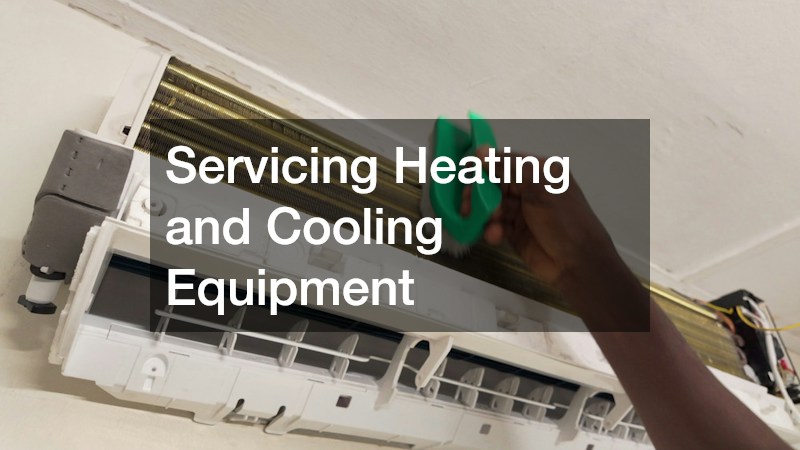
Changing air filters, clearing debris from outdoor condenser units, and vacuuming vents are all simple maintenance tasks that keep a heating and cooling system running efficiently. Most filters should be swapped every 1-3 months, more often if you have pets or allergy sufferers in the house, since a clogged filter forces the system to work harder and drives up energy bills. These small efforts can extend the life of your equipment and improve indoor air quality without any specialized tools. Outdoor condenser units need at least two feet of clearance from leaves, grass clippings, and shrubs to breathe properly, so a quick seasonal cleanup with a garden hose (never a pressure washer, which can bend the delicate fins) goes a long way. Homeowners can also reset breakers or check thermostat settings when a system seems unresponsive, and replacing thermostat batteries is an easy first troubleshooting step before assuming something more serious is wrong. Beyond these basics, it’s fine to lubricate accessible motor parts if your manufacturer recommends it, or to straighten minor bends in condenser fins with a specialized comb. However, anything involving refrigerant lines, electrical wiring inside the unit, or the internal components of a furnace should be left to a licensed HVAC technician, since mistakes there can be dangerous or even illegal without proper certification.
Homeowners can safely handle basic maintenance like changing air filters every 1-3 months, clearing debris from outdoor condenser units, and ensuring vents aren’t blocked by furniture. These simple tasks improve efficiency and extend equipment life without requiring any special tools or training. More involved tasks, like refrigerant handling, electrical diagnostics, or duct sealing, require certification and should be scheduled through professional HVAC service rather than attempted independently. Federal law actually prohibits anyone without EPA Section 608 certification from purchasing or handling refrigerants, making this a legal issue as well as a safety one. Technicians use specialized gauges and safety equipment to work with refrigerants legally and safely, since mishandling them can be both dangerous and environmentally harmful. Electrical components within HVAC systems also carry real risk, since furnaces and air conditioners often run on 240-volt circuits that can cause serious injury if handled incorrectly. Diagnosing issues like faulty capacitors, failing compressors, or wiring problems requires both specialized meters and the knowledge to interpret readings safely. Regular professional tune-ups, ideally twice a year, in spring for air conditioning and fall for heating, also catch small issues before they turn into costly breakdowns. During these visits, technicians typically check refrigerant levels, inspect electrical connections, test thermostat calibration, and clean components that are difficult for homeowners to access. Investing $150 to $300 annually in these inspections can prevent repair bills that run into the thousands when neglected systems fail completely.
- Replace air filters every one to three months; homes with pets or allergy sufferers should check monthly
- Keep outdoor condenser units clear of leaves, grass clippings, and debris, with at least two feet of clearance on all sides
- Schedule seasonal tune-ups before extreme weather hits — spring for AC, fall for heating systems
- Clean vents and registers regularly to maintain airflow and reduce strain on the system
- Avoid attempting refrigerant recharges without EPA Section 608 certification, as it’s both illegal and hazardous for untrained individuals
- Leave electrical component repairs, like capacitors or compressors, to licensed HVAC technicians
- Call a professional immediately if you notice strange noises, burning smells, or ice buildup on the unit
Drilling New Water Wells and Testing Water Quality
If your property relies on well water, basic maintenance like testing water quality annually and keeping the wellhead area clear of debris is something homeowners can manage themselves. Simple test kits can detect common contaminants, giving you an early warning if something changes in your water supply. Keeping records of these tests over time also helps identify gradual shifts in water quality.
Drilling a new well or repairing an existing one, however, requires specialized heavy equipment and knowledge of local geology that goes far beyond typical home repair skills. Reputable well drilling companies understand aquifer depths, casing requirements, and state regulations that protect both your water supply and your neighbors’ groundwater. Attempting this kind of project without proper licensing can lead to contamination issues or a well that fails to produce adequate water.
- Test well water annually for bacteria and mineral content
- Keep the area around the wellhead clear of chemicals and debris
- Watch for changes in water color, smell, or taste
- Hire licensed professionals for any new well installation
Recognizing When a Clog Needs Professional Equipment
Not every drainage problem is created equal, and distinguishing between a surface-level clog and a deeper pipe issue can save you time and frustration. A single slow drain is usually manageable with basic tools, but when multiple fixtures across the house start draining slowly or backing up, it is often a sign that the main line needs attention. Paying attention to these patterns helps you decide when to stop troubleshooting on your own.
At this stage, bringing in a drain cleaning plumber is the more practical choice, since they can use motorized augers or hydro-jetting equipment to clear stubborn blockages that home tools simply cannot reach. These professionals can also identify whether the clog is caused by grease buildup, mineral scale, or something more serious like a collapsed pipe section. Catching the problem early often means a simpler, less expensive fix.
- Note whether multiple drains are affected at the same time
- Pay attention to gurgling sounds coming from pipes
- Avoid repeated use of chemical drain cleaners on tough clogs
- Schedule a professional cleaning if clogs recur within weeks
Knowing which repairs are safe to handle yourself and which require professional expertise comes down to honestly assessing the risks, your skill level, and the long-term cost of getting it wrong. Small cosmetic fixes and routine maintenance are great opportunities to build confidence and save money, while structural, electrical, and specialized systems are better left to trained professionals. When in doubt, a quick consultation with an expert can clarify whether a project is truly within your reach. Taking this balanced approach protects both your home and your safety for years to come.