
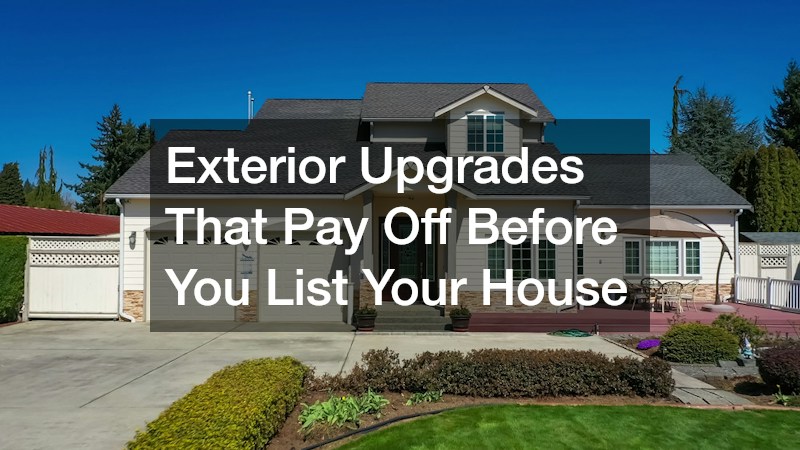
Selling a house is as much about first impressions as it is about square footage and school districts. Buyers form an opinion before they ever step through the front door, which means the exterior of your home carries more weight in the sale process than many homeowners realize. The good news is that you do not need a full remodel to make an impact. A handful of strategic exterior upgrades can boost curb appeal, reassure buyers about the home’s condition, and often return a significant portion of their cost at closing. This guide walks through the exterior projects most likely to pay off before you put a sign in the yard.
Assess Your Roof Condition Before Listing

The roof is one of the first things a buyer’s inspector will scrutinize, and any sign of trouble can stall negotiations or tank an offer entirely. Before you list, it is worth having a residential roofing contractor come out for an honest evaluation of your shingles, flashing, and gutters. A professional assessment gives you documentation you can share with buyers, which builds trust and removes a point of future negotiation. Even minor repairs identified now are far cheaper than renegotiating price after a failed inspection later.
If your roof is nearing the end of its lifespan, replacing it before listing can be one of the highest-return projects on this list. Many sellers hesitate because of the upfront cost, but buyers routinely pay a premium for homes that do not come with a looming roof replacement.
- Ask for a written inspection report you can include in your disclosure packet
- Request photos of any trouble spots, including valleys and vent boots
- Get a repair estimate alongside the replacement estimate so you can compare value
- Clean gutters and downspouts as part of the same visit
Compare Roofing Materials for Resale Value

Not all roofing materials are created equal when it comes to buyer perception and long-term value. Traditional asphalt shingles remain the most budget-friendly option, but metal roofing contractors have seen rising demand as buyers look for materials that last decades with minimal upkeep. Metal roofing tends to appeal to buyers in regions with heavy snow, wildfire risk, or intense sun, since it holds up better against the elements than asphalt.
When comparing quotes, it helps to get bids from a few different roofing companies rather than accepting the first estimate. Pricing and warranty terms can vary significantly between contractors, even for the same material and scope of work. Ask each company how long the job will take and whether they handle disposal of old roofing materials, since that affects your listing timeline.
- Asphalt shingles: lowest upfront cost, 20 to 30 year lifespan
- Metal roofing: higher upfront cost, 40 to 70 year lifespan, strong buyer appeal
- Tile or slate: premium look, best for specific architectural styles
- Always compare at least three written estimates before deciding
Build a Deck That Buyers Will Notice
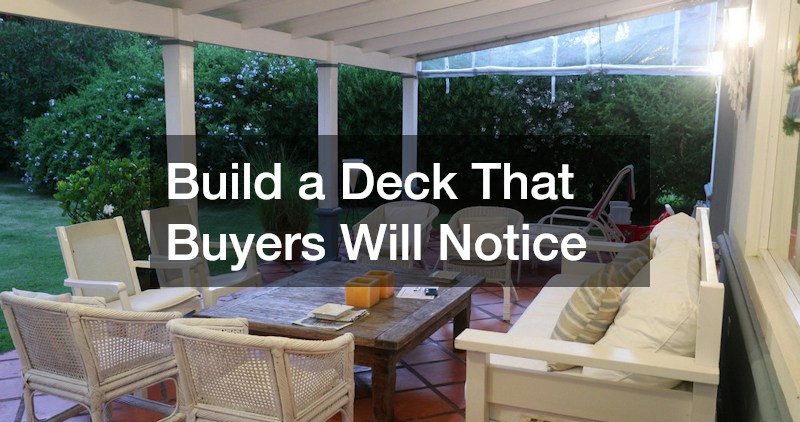
Outdoor living space has become a major selling point, and a well-built deck can make a home feel larger without the cost of a full addition. According to remodeling industry data, a new wood deck often recoups 65-75% of its cost at resale, making it one of the more reliable exterior investments you can make before listing. Working with custom deck builders allows you to design a space that fits your home’s architecture and your local market’s expectations, rather than settling for a generic kit that looks bolted on. They can also guide material choices—pressure-treated lumber, cedar, or low-maintenance composite—based on what buyers in your area tend to prefer and what will hold up to local weather. Size and layout matter too: a deck that’s proportional to the yard and includes defined zones for dining and lounging tends to show better than one that’s simply large. Small details like built-in bench seating, cable railings for unobstructed views, or lighting for evening ambiance can set a listing apart. A thoughtfully designed deck photographs beautifully for listings and gives buyers an easy way to picture themselves entertaining outdoors. Staging it with simple furniture, planters, or an outdoor rug for photos can further help buyers see its potential as livable square footage rather than an afterthought.
If your budget is tight, even modest deck repairs or a fresh coat of stain can make an existing structure look new again. Replacing a handful of warped or splintered boards typically costs between $50 and $150 per board installed, while a full cleaning and re-staining job often runs $300 to $800 depending on square footage — both far cheaper than a full rebuild, which can easily exceed $10,000. Buyers are quick to notice warped boards, loose railings, or faded finishes, so addressing these details before listing photos are taken is worth the effort. Walk the deck yourself and test every railing and stair tread for wobble, check for popped nails or screws, and look for gray, weathered wood that signals neglect. Power washing alone can brighten a deck dramatically and costs very little if you rent or own the equipment. If the deck is in good structural shape but visually dated, consider swapping out old hardware like rusted hinges or mismatched balusters, and add simple touches such as string lights or a stain color that complements the home’s exterior palette. These small, inexpensive updates signal that the space has been cared for, which reassures buyers that they won’t inherit hidden problems once they move in.
- Focus on railing stability and stair safety first — loose balusters, wobbly posts, and uneven stair risers are among the top flags inspectors cite, and fixing them often costs under $500
- Check that railing height meets the 36-inch code minimum and that gaps between balusters are no wider than 4 inches
- Consider sightlines from the kitchen or living room when planning deck placement, since buyers mentally connect indoor and outdoor space during showings
- Keep the deck size proportional to the yard — a good rule of thumb is no more than 20-30% of the usable outdoor space, so it doesn’t crowd the lawn or look like an afterthought
- Add built-in lighting, such as low-voltage step lights or post cap fixtures, for safer evening showings and warmer, more inviting listing photos
- Stick to low-maintenance materials like composite decking when possible, since buyers often ask about upkeep costs during walkthroughs
Consider Composite Materials for Low Maintenance Appeal
Buyers today are drawn to materials that promise less upkeep, and composite metal decking has become a popular option for homeowners who want the durability of metal with a more refined, finished appearance. Unlike traditional wood decking, composite options resist rot, insect damage, and warping, which are all things that worry buyers during a home inspection. Highlighting low-maintenance materials in your listing description can be a genuine selling point, especially for buyers who do not want another weekend project.
While composite materials cost more upfront than standard lumber, the pitch to buyers is straightforward: less maintenance means fewer surprises after closing. This can be a meaningful differentiator in a competitive market where multiple similar homes are listed at once.
- Composite decking rarely needs staining or sealing
- Many composite products carry 25 to 50 year warranties
- Color and texture options can mimic natural wood grain closely
- Lower long-term maintenance can be a talking point in listing descriptions
Prepare Your Yard With the Right Equipment
Significant landscaping changes, grading corrections, or drainage fixes often require more than a shovel and a weekend. For larger projects like regrading a sloped yard or digging a new drainage trench, hiring excavating companies ensures the work is done safely and meets local code requirements. Poor drainage is a common issue that surfaces during home inspections, so correcting it before listing can prevent a buyer from using it as a negotiating point.
If you are tackling a smaller project yourself, such as leveling a patio area or removing an old shed foundation, heavy equipment rental can give you access to machinery you would otherwise never justify buying. Renting a mini excavator or skid steer for a day is often far more cost-effective than hiring out small jobs, provided you feel comfortable operating the equipment safely.
- Fix any visible drainage issues near the foundation before listing
- Rent equipment only for projects within your skill and safety comfort level
- Always call for utility locates before any digging project
- Document before-and-after photos of major yard corrections for your listing packet
Add Shade Features That Improve Outdoor Comfort
Outdoor comfort features can set a home apart, particularly in climates with intense summer heat. Installing exterior sun shades over patios, windows, or pergolas gives buyers a practical reason to love the outdoor space rather than avoid it during showings. These shades also reduce indoor cooling costs by blocking direct sunlight before it ever hits the windows, which is a detail that resonates with energy-conscious buyers.
Beyond comfort, sun shades add a layer of polish to a home’s exterior that signals thoughtful upkeep. They are a relatively affordable upgrade compared to a full patio cover or room addition, yet they still photograph well and make outdoor spaces feel more finished.
- Retractable shades offer flexibility for different seasons
- Motorized options appeal to buyers looking for modern convenience
- Shades can reduce glare during daytime showings
- Pairing shades with existing patio furniture staging boosts visual appeal
Keep HVAC and Heating Systems Inspection Ready

While not technically part of the exterior, outdoor HVAC units and heating equipment are often inspected alongside the roof and foundation, and their condition matters just as much to buyers. Scheduling heating repair before listing ensures your furnace or heat pump does not raise red flags during a buyer’s inspection. A system that cycles properly and shows no error codes gives buyers one less reason to negotiate on price.
It is also worth budgeting for general HVAC repair on the outdoor condenser unit, since dented fins, loose panels, or overgrown landscaping around the unit are easy for inspectors to flag. Simple maintenance, like clearing debris and confirming the unit runs quietly, can make a strong impression during a showing.
- Replace dirty filters before any scheduled showings
- Trim vegetation at least two feet away from outdoor units
- Keep maintenance records to share with potential buyers
- Address unusual noises or smells before listing, not after an offer
Refresh Exterior Paint and Trim Details
Fresh paint is one of the most cost-effective ways to improve curb appeal, and it does not require specialized contractors or heavy equipment. A full exterior repaint can cost several thousand dollars, but touching up trim, shutters, and the front door often runs a few hundred dollars in materials and a weekend of labor, making it one of the best returns on investment available to sellers. Focus your efforts on the details buyers notice up close in listing photos and during walkthroughs. Crisp white or neutral trim around windows instantly makes siding look cleaner, even if the siding itself isn’t freshly painted. A bold but tasteful front door color, like navy, forest green, or classic black, can serve as an eye-catching focal point without the cost of repainting the whole house. Don’t overlook smaller elements like window shutters, porch railings, and garage doors, which weather quickly and show chipping or fading before the rest of the exterior does. Scraping and priming peeling spots before repainting prevents a patchy, rushed look in photos. Buyers often make snap judgments from the driveway, so even small color refreshes around windows and entryways can shift that first impression in your favor.
If a full exterior repaint is not in the budget, prioritize the areas buyers see first: the front door, mailbox, shutters, and any visible trim near the entrance. A freshly painted front door in a classic color like navy, black, or deep red can make a strong first impression without the cost of repainting the whole house. Expect to spend $100-$300 on paint and supplies for these smaller accent areas, compared to several thousand dollars for a full exterior job. Pressure washing siding and walkways before painting ensures the new coat looks clean and lasts longer, since trapped dirt and mildew can cause peeling within a year or two. Use a low-to-medium pressure setting on siding to avoid stripping paint or damaging wood, and let surfaces dry fully for at least 24 hours before applying primer or paint. Don’t overlook smaller trim details like window frames, fascia boards, and porch railings, as chipped or faded paint here signals deferred maintenance to buyers even if the rest of the house looks fine. Touching up caulking around windows and doors at the same time prevents water damage and gives the trim a crisp, finished edge.
- Choose neutral, broadly appealing colors like greige, soft white, or warm gray over bold personal choices that may clash with buyer tastes
- Pressure wash siding, brick, and trim at least a week before touch-up painting to remove grime and let surfaces fully dry
- Replace cracked or peeling caulk around windows, doors, and trim joints to prevent water damage and sharpen curb appeal
- Spot-prime bare wood or metal before repainting to stop future peeling and ensure even color coverage
- Update house numbers and light fixtures with modern, matte-black or brushed-nickel finishes for a quick, affordable refresh
- Repaint or replace the front door in a complementary accent color, since it’s one of the first details buyers notice
You do not need to tackle every project on this list to make a meaningful difference in how buyers perceive your home. Start with the items that protect against inspection surprises, like the roof and HVAC systems, then layer in curb appeal upgrades like paint, decking, and shade features as your budget allows. Prioritizing the right exterior improvements now can shorten your time on market and strengthen your negotiating position when offers come in.