

Every homeowner eventually asks the same question: where should the next dollar go? Some upgrades quietly drain your bank account with little to show for it, while others boost comfort, cut monthly bills, and add real resale value. The truth is that not all home improvements are created equal, and knowing which systems deliver the best return can save you thousands over time. This guide breaks down the home systems most likely to pay you back, so you can prioritize with confidence.
Upgrading Your Heating and Cooling System for Long Term Savings
Your HVAC system is one of the biggest energy users in your home, which makes it one of the smartest places to invest. Heating and cooling typically account for close to half of a home’s total energy use, so even modest efficiency gains translate into noticeable savings year after year. A newer, high efficiency system can cut heating and cooling costs by 20 percent or more compared to a unit that is 15 years old, and many homeowners recover that investment within a few years through lower utility bills.
The type of upgrade matters too. Swapping an aging furnace for a high efficiency model rated 95 percent AFUE or higher, or installing a heat pump that can both heat and cool, often delivers better long term returns than a basic like for like replacement. In some regions, heat pumps offer the added benefit of eliminating a separate cooling unit altogether, which simplifies maintenance and cuts equipment costs down the road.
Sizing and installation quality matter just as much as the equipment itself. An oversized or undersized system, or one installed with leaky ductwork, can erase much of the efficiency gain you paid for. Pairing a new system with a smart thermostat and sealed, well insulated ducts helps ensure you actually capture the savings on paper.
Beyond efficiency, a well maintained system also protects indoor air quality and keeps your home comfortable through extreme weather swings. Routine maintenance, such as annual tune ups and regular filter changes, extends equipment life and preserves performance, helping you get the most value out of the upgrade for the full 15 to 20 year lifespan of the system.
Regular checkups matter just as much as the upgrade itself. A brand-new furnace or heat pump can still underperform if it isn’t maintained properly, so pairing an upgrade with a consistent service schedule is what actually locks in the savings. Scheduling local heating repairs before winter hits can prevent a small issue from turning into a full system failure during the coldest week of the year, when replacement units and emergency service calls are both harder to book and more expensive.
Catching worn belts, failing capacitors, or clogged filters early keeps the system running efficiently and extends its lifespan significantly. A dirty filter alone can force your system to work up to 15% harder than it should, quietly driving up utility bills month after month. Cracked heat exchangers, low refrigerant levels, and corroded electrical connections are other common culprits that a trained technician will catch long before they become visible problems.
Most HVAC professionals recommend a seasonal tune-up twice a year — once before summer for the cooling system and once before winter for the furnace or heat pump. Budgeting $75 to $200 per visit for preventive maintenance is far cheaper than a mid-winter breakdown, which can easily run into the thousands once emergency labor rates and rushed part replacements are factored in.
- Replace air filters every one to three months; a clogged filter can raise energy use by 5–15%
- Schedule professional tune ups twice a year, once before summer and once before winter
- Seal ductwork leaks to prevent wasted energy, since leaky ducts can lose up to 30% of conditioned air
- Insulate exposed ducts in attics, basements, or crawl spaces to reduce heat transfer
- Consider a smart thermostat for automated savings, potentially cutting heating and cooling costs by 10–12% annually
- Upgrade aging units over 15 years old to newer, higher-efficiency models with better SEER or AFUE ratings
- Add a programmable schedule or occupancy sensors to avoid conditioning empty rooms
Repairing or Replacing Your Roof Before Small Problems Grow
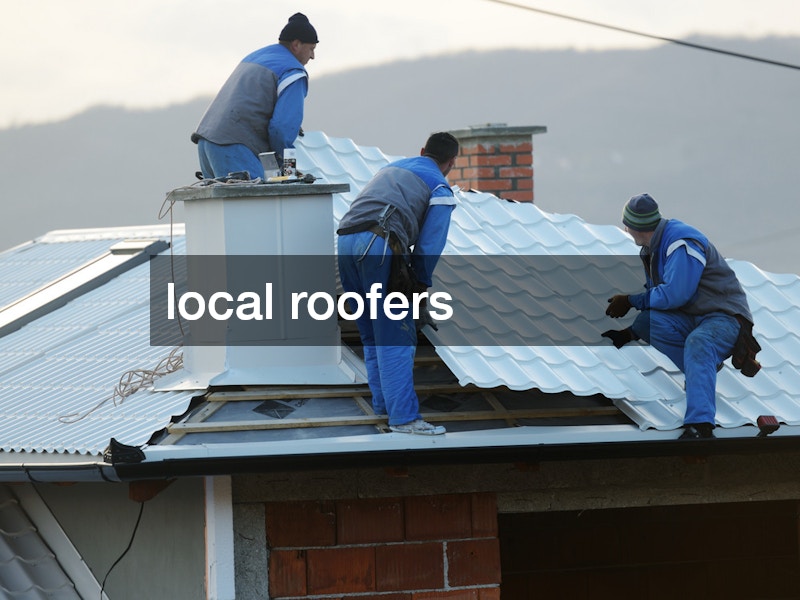
A roof in good condition is one of the strongest value protectors a home can have, since roof damage left unchecked tends to spread quickly into insulation, drywall, and even structural framing. Missing shingles, sagging spots, or granules collecting in gutters are early warning signs that should not be ignored. Addressing these issues promptly, rather than waiting for a leak to appear inside your home, almost always costs less in the long run.
When it comes time for repairs or a full replacement, working with experienced local roofers gives you access to materials and warranties suited to your specific climate and roof style. For homeowners considering a longer term investment, a metal roofer can install a system that lasts 40 to 70 years, resists fire and wind damage, and often qualifies for insurance discounts. While the upfront cost is higher than asphalt shingles, the extended lifespan and lower maintenance needs make it one of the more financially sound choices available.
- Inspect your roof after major storms
- Clean gutters at least twice a year
- Watch for daylight visible through the attic
- Compare material lifespans before choosing a replacement
Fixing Foundation and Structural Issues Early
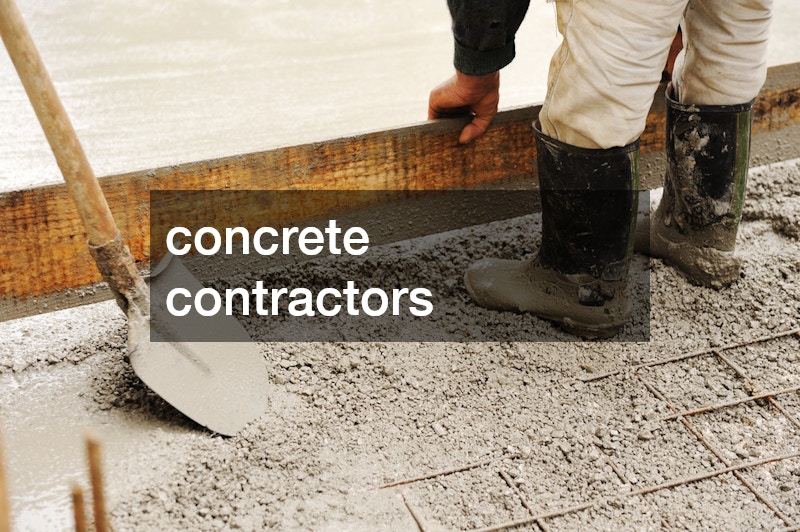
Foundation problems rarely stay small. A hairline crack today can become a costly structural repair in a few years if moisture keeps working its way into the concrete. Because foundation issues affect everything built on top of them, addressing them early protects your entire home rather than just one room or system.
Hiring qualified concrete contractors to assess cracking, settling, or uneven flooring is a smart first step whenever you notice doors sticking or gaps forming around window frames. These professionals can determine whether the issue is cosmetic or a sign of deeper soil movement or drainage failure. Getting an honest evaluation now can prevent a five figure repair bill later.
- Check for cracks wider than a quarter inch
- Watch for doors and windows that stick
- Monitor for uneven or sloping floors
- Address drainage issues near the foundation promptly
Improving Garage Floors for Durability and Value
Garage floors take a beating from vehicle weight, oil drips, road salt, and temperature swings, yet they are often the most neglected surface in the home. Bare concrete is porous and prone to cracking, staining, and dusting over time, which can make an otherwise well kept garage look worn down. A protective coating solves most of these problems while making the space easier to clean and maintain.
Professional garage floor coating services apply epoxy or polyaspartic coatings that resist chemicals, abrasion, and moisture far better than uncoated concrete. These coatings also brighten the space, which matters if the garage doubles as a workshop or gym. Many homeowners find that this relatively affordable upgrade meaningfully improves how buyers perceive the entire home during a sale.
- Choose polyaspartic coatings for faster curing times
- Ensure proper surface prep before application
- Look for slip resistant additives in high traffic areas
- Expect coatings to last 10 to 20 years with care
Refreshing Flooring Throughout the Home
Flooring has an outsized impact on how a home feels and how much it is worth. Worn carpet, scratched laminate, or outdated tile can make even a recently renovated kitchen look tired. Replacing old flooring is consistently ranked among the highest return renovations because buyers and appraisers notice it immediately.
Hardwood remains one of the most requested flooring types because of its durability and timeless appeal. Working with professional hardwood flooring services ensures proper installation, moisture barriers, and finishing that will hold up for decades rather than needing repairs within a few years. Solid hardwood can also be refinished multiple times, which extends its life far beyond most other flooring materials.
- Refinish hardwood every 7 to 10 years to maintain shine
- Avoid excess moisture exposure in kitchens and bathrooms
- Choose engineered wood for basements or humid climates
- Match flooring style to the overall home aesthetic for resale value
Modernizing Kitchens and Bathrooms With Targeted Updates
Kitchens and bathrooms consistently top the list of rooms that influence a buyer’s first impression, but full gut renovations are not always necessary to see a return. Smaller, targeted updates like new countertops, updated cabinet hardware, or improved lighting often deliver a better return relative to cost than a complete overhaul. Focusing on function first, then aesthetics, tends to produce the most satisfying results.
For homeowners planning a larger scale update, bringing in a local remodeling contractor helps ensure the work is sequenced correctly, permitted properly, and finished to a standard that holds up over time. A contractor familiar with your area will also know which finishes and layouts are in demand locally, which matters when it comes time to sell. Getting multiple quotes and checking references remains one of the smartest steps before signing any contract.
- Update lighting fixtures for an affordable visual upgrade
- Refinish cabinets instead of replacing them when possible
- Prioritize layout improvements over purely cosmetic changes
- Always confirm permits are pulled for larger projects
Maintaining Your Water Heater to Avoid Costly Failures
A failing water heater is one of the most disruptive problems a homeowner can face, often announcing itself with a flooded utility closet rather than a gradual warning. Sediment buildup, corrosion, and worn anode rods are common culprits that shorten a unit’s lifespan well before its expected 10 to 15 years. Regular flushing and inspection can add years of reliable service.
Partnering with a reputable water heater company for annual maintenance is far cheaper than dealing with an emergency replacement and the water damage that often comes with it. Many companies also offer tankless upgrades, which use less energy and provide a more consistent hot water supply for larger households. Comparing tank versus tankless options based on household size and usage patterns helps ensure the investment actually fits your needs.
- Flush the tank annually to remove sediment
- Check the anode rod every two to three years
- Set the temperature to 120 degrees for efficiency and safety
- Consider tankless models for long term energy savings
Enhancing Outdoor Living Spaces With Hardscaping
Outdoor spaces have become a major factor in home value, especially as more people prioritize entertaining and relaxing at home. Patios, walkways, and retaining walls not only improve usability but also help manage drainage and erosion around the property. A well designed outdoor space extends the livable footprint of a home without the cost of a full addition.
Working with established hardscaping companies ensures that pavers, retaining walls, and patios are built on a properly compacted base that will not shift or crack within a few seasons. Poor installation is one of the most common reasons outdoor projects fail early, so experience and proper grading matter more than the materials chosen. A thoughtfully designed hardscape can also reduce yard maintenance over time, which appeals to future buyers.
- Ensure proper base compaction before installation
- Plan for drainage to prevent water pooling
- Choose materials that match your home’s exterior style
- Factor in long term maintenance when selecting stone or pavers
Knowing When to Call a Professional Versus DIY
Not every home project needs a specialist, but knowing where the line falls can save money and prevent bigger headaches. Simple tasks like caulking, filter changes, or minor touch ups are reasonable for most homeowners to handle. Larger systems involving electrical, gas, or structural components carry real safety risks and often require licensing.
When a system stops working correctly, calling an HVAC repair company rather than attempting a DIY fix protects both your safety and your warranty coverage. Many manufacturers void warranties if unlicensed repairs are attempted, which can turn a small problem into an expensive uncovered replacement. Knowing your own limits is just as valuable as knowing how a system works.
- Handle basic cleaning and filter changes yourself
- Call a licensed professional for gas or electrical work
- Check warranty terms before attempting any repair
- Get a second opinion for major system replacements
Investing in the right home systems at the right time protects your comfort today and your equity tomorrow. Start by identifying which systems in your home are aging or underperforming, then prioritize the upgrades that offer the strongest combination of safety, savings, and resale value. A little research now, paired with the right professionals when needed, will pay dividends for years to come.