
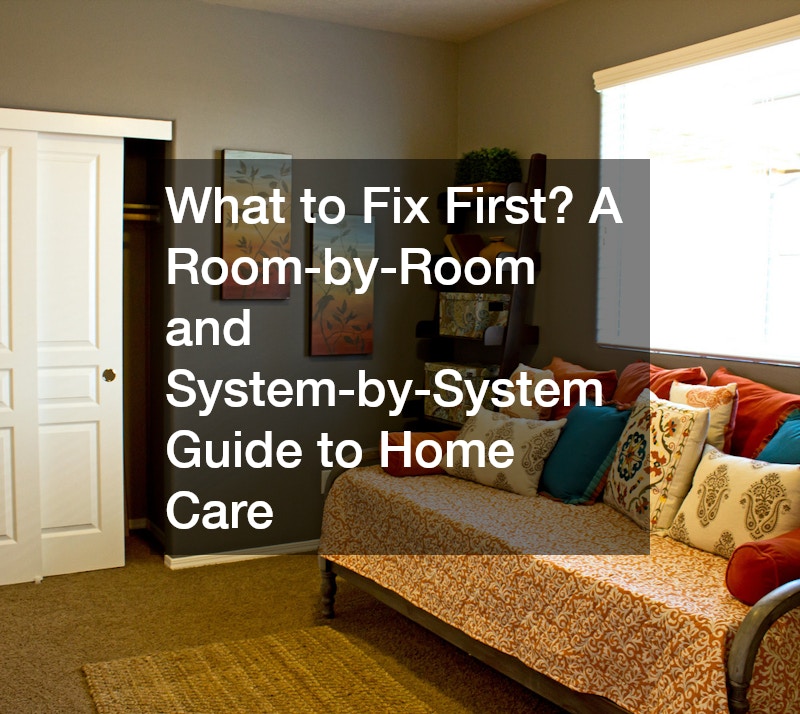
Every homeowner eventually faces the same question: when multiple issues demand attention, what should be fixed first? From cosmetic upgrades to urgent structural concerns, the list of potential projects can feel endless. The key to managing home care effectively is learning how to prioritize repairs and improvements in a way that protects safety, preserves value, and enhances daily comfort. Instead of reacting to the loudest or most visible issue, a strategic approach considers risk level, long-term cost implications, and how different systems within the home interact with one another.
A room-by-room and system-by-system evaluation allows you to break down large responsibilities into manageable decisions. Some fixes, such as structural damage or electrical hazards, require immediate attention. Others, such as aesthetic updates, can be scheduled thoughtfully over time. Understanding which category each issue falls into prevents wasted resources and reduces stress. By assessing the condition of both interior spaces and exterior systems annually, you gain a clear roadmap for maintenance and upgrades.
This guide walks through essential areas of the home and explains how to prioritize improvements logically. By examining structural elements, mechanical systems, outdoor features, and interior finishes in a systematic way, you can confidently determine what to fix first and what can wait.
Evaluating Outdoor Living Spaces and Water Features
Outdoor living areas often serve as both recreational spaces and major investments. If your property includes a pool, deck, or water feature, evaluating its structural integrity should be a top priority. Cracks in pool surfaces, uneven decking, or failing drainage systems can worsen quickly if ignored. Consulting a swimming pool builder when structural issues appear ensures that small surface flaws do not evolve into larger problems affecting plumbing lines or foundational supports. Early intervention helps preserve both functionality and safety.
Beyond structural integrity, water quality systems must also be inspected regularly. Pumps, filters, and heaters should operate efficiently to prevent unnecessary wear and increased energy consumption. Malfunctioning circulation can lead to algae growth or damage to interior surfaces. Addressing these mechanical components promptly reduces long-term repair needs and maintains a safe environment for family and guests.
Surrounding hardscapes also deserve attention. Pool decking, fencing, and drainage channels must be stable and secure. Loose pavers or inadequate water runoff can create hazards. Prioritizing these outdoor elements protects your investment and ensures your recreational areas remain enjoyable rather than stressful.
Inspecting Fire Features and Heating Focal Points

Fireplaces often serve as both aesthetic centerpieces and functional heating sources. When determining what to fix first, visible cracks in masonry or inconsistent burning patterns should be addressed promptly. Scheduling professional fireplace repair prevents minor deterioration from becoming a larger structural issue. Chimney liners, dampers, and flue systems require inspection to maintain safe operation.
Soot buildup and blockages can impair ventilation and create indoor air quality concerns. Annual inspections help detect creosote accumulation and structural wear within the chimney system. Ensuring proper airflow protects both the fireplace structure and the surrounding home.
Aesthetic elements, such as mantel surfaces or tile surrounds, can be updated later if needed. Safety and functionality should always come first. Addressing operational concerns before cosmetic upgrades ensures that your fireplace remains a reliable and secure feature of your living space.
Managing Storm Damage and Landscape Hazards
After severe weather, outdoor inspections should be immediate. Damaged or leaning trees can pose risks to roofing, siding, and utility lines. In situations involving fallen branches or unstable trunks, emergency tree removal becomes a critical priority. Removing hazardous debris quickly prevents additional property damage and enhances safety.
Beyond immediate threats, evaluate root systems and soil stability around your home. Heavy storms can weaken tree bases, increasing the likelihood of future collapse. Regular inspections allow you to address risks proactively. Landscaping improvements may enhance curb appeal, but safety concerns must take precedence. Stabilizing trees and removing hazards protects both structural components and outdoor spaces from preventable damage.
Reviewing Cooling Systems and Airflow Efficiency
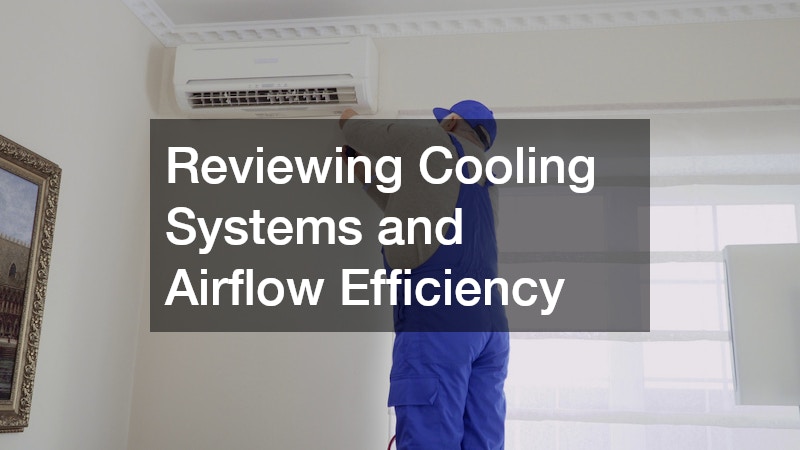
Cooling systems are central to home comfort, particularly in warmer climates. If rooms feel unevenly cooled or energy bills spike unexpectedly, an evaluation is necessary. Consulting an ac contractor ensures that mechanical issues are addressed before peak usage seasons. Compressor wear, refrigerant leaks, or blocked airflow can quickly escalate into larger problems if ignored.
Air filters and duct systems should also be examined annually. Restricted airflow strains equipment and reduces efficiency. Routine maintenance preserves system longevity and prevents mid-season breakdowns. When deciding what to fix first, mechanical reliability should outweigh aesthetic concerns. A properly functioning cooling system supports comfort, indoor air quality, and energy efficiency throughout the home.
Assessing Exterior Illumination and Safety Systems
Outdoor lighting enhances both security and functionality. If fixtures flicker or fail entirely, outdoor lighting repairs should be scheduled promptly. Malfunctioning lighting can create safety hazards around walkways, driveways, and entry points.
Electrical wiring exposed to weather elements may degrade over time. Inspect connections, timers, and motion sensors to ensure proper performance. Addressing wiring concerns early prevents potential electrical failures. A well-lit exterior supports safety and deters unwanted activity. Prioritizing lighting functionality ensures your property remains secure and welcoming.
Evaluating Renewable Energy Components
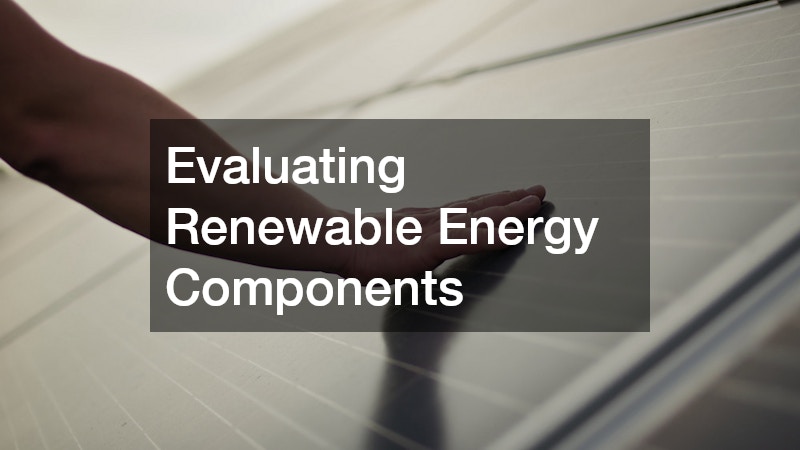
Homes equipped with renewable energy systems require periodic inspection to maintain performance. Monitoring panel efficiency and inverter output helps detect early issues. Consulting professional solar panel installers for maintenance ensures that your system operates at peak capacity.
Debris accumulation, wiring wear, or mounting instability can reduce efficiency. Regular inspections protect your investment and extend system lifespan. Energy production reliability should be considered a high priority, as disruptions can affect overall household energy costs and sustainability goals.
Beyond performance monitoring, homeowners should also review the physical condition of mounting hardware and roof penetrations associated with solar systems. Over time, shifting temperatures, wind exposure, and seasonal expansion can loosen brackets or compromise seals. Even minor roof penetration issues can lead to moisture intrusion if left unaddressed. It is also important to examine surrounding roof shingles or tiles for wear caused by debris accumulation around panel edges. Cleaning panels safely and periodically helps maintain optimal energy production, especially in areas with pollen, dust, or heavy tree coverage. Monitoring your energy output monthly allows you to identify sudden dips in production that may signal inverter or wiring concerns. By incorporating solar system checks into your annual roof inspection routine, you protect both your renewable energy investment and your home’s structural integrity. Addressing small maintenance items promptly prevents efficiency loss and reduces the likelihood of more complex electrical repairs later.
Maintaining Exterior Protection and Weather Barriers
Your home’s exterior acts as its first defense against weather exposure. Cracked or warped materials may signal the need for siding installation updates. Addressing damaged siding prevents moisture infiltration and structural deterioration.
Inspect caulking, trim, and paint finishes annually. Early intervention preserves insulation performance and prevents costly interior damage. Protecting the outer shell of your home should rank high on your maintenance list, as it shields every interior system from environmental stress.
In addition to visual inspections, homeowners should evaluate how their exterior surfaces respond during heavy rain or extreme temperature swings. Peeling paint, bubbling finishes, or softened trim boards may indicate moisture infiltration beneath protective layers. Checking expansion joints and sealing gaps around windows and doors reduces air leakage and improves insulation efficiency. Seasonal temperature changes can cause materials to expand and contract, gradually weakening protective barriers. Routine washing of siding surfaces also removes mold, mildew, and debris that may accelerate deterioration. Pay attention to areas where landscaping touches exterior walls, as constant moisture exposure can compromise structural materials. By treating your home’s exterior envelope as a unified protection system rather than isolated components, you maintain insulation performance and structural resilience. Proactive exterior care minimizes long-term repair needs and supports consistent interior comfort regardless of weather conditions.
Caring for Interior Surfaces and Flooring
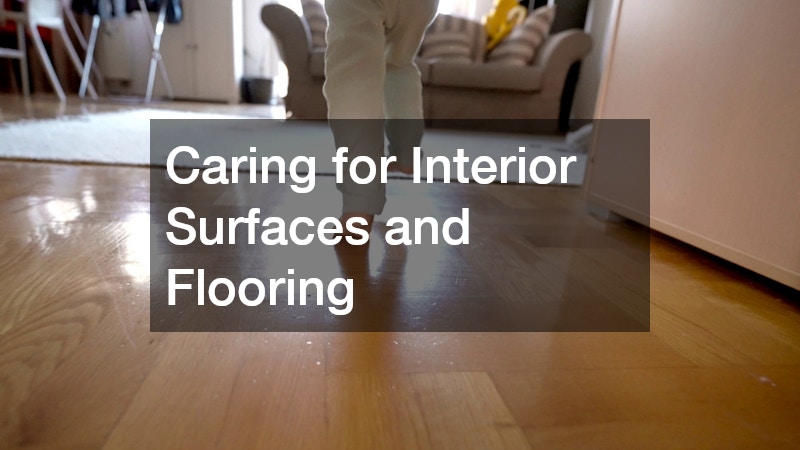
Interior finishes may seem cosmetic, but cleanliness and maintenance affect overall home health. Scheduling professional carpet cleaning annually improves indoor air quality and extends flooring lifespan. Accumulated dust and allergens can impact respiratory health if ignored.
Stains and wear patterns should be addressed before fibers deteriorate permanently. Preventative care reduces replacement frequency. While cosmetic upgrades can wait, maintaining cleanliness and hygiene supports both comfort and long-term durability.
Beyond routine cleaning, homeowners should inspect subflooring stability and transitions between flooring materials. Soft spots beneath carpeting may indicate underlying moisture issues or subfloor damage that require immediate attention. Checking baseboards and trim for discoloration or swelling can reveal hidden leaks before they spread. Area rugs should be rotated periodically to distribute wear evenly and prevent permanent compression in high-traffic areas. Additionally, evaluating padding beneath carpets ensures adequate cushioning and longevity. High-traffic zones such as hallways and staircases deserve special monitoring, as they experience concentrated stress. Establishing a maintenance schedule that includes vacuuming frequency, professional deep cleaning, and spot treatment reduces premature deterioration. By prioritizing the condition of interior surfaces, homeowners preserve comfort, cleanliness, and visual appeal while preventing minor wear from evolving into full replacement projects.
Inspecting Driveways and Hardscapes
Driveways endure constant wear from vehicles and weather. Cracks and uneven surfaces may require attention from professionals specializing in residential asphalt paving. Addressing minor surface damage early prevents larger structural failures. Water pooling on driveways can indicate grading issues. Prompt repairs preserve appearance and safety. Maintaining exterior hardscapes enhances curb appeal and prevents hazards.
Seasonal temperature fluctuations can significantly affect driveway durability, particularly in regions with freeze-thaw cycles. Water that seeps into small cracks can expand when frozen, widening fissures and weakening the surface. Applying sealant at appropriate intervals helps protect asphalt from oxidation, moisture penetration, and UV damage. Inspect the edges of driveways where grass or soil may encroach, as root systems can gradually destabilize pavement. Drainage patterns should also be evaluated to ensure water flows away rather than pooling along the surface. Even minor depressions can become larger structural concerns if not corrected early. Maintaining clean expansion joints and removing oil stains promptly helps preserve surface integrity. By incorporating driveway inspections into your annual exterior maintenance routine, you extend the lifespan of hardscapes and reduce the likelihood of major resurfacing needs.
Evaluating Kitchen Surfaces and High-Use Areas
Kitchen surfaces experience daily wear. Chips or cracks in marble countertops should be assessed promptly to prevent moisture infiltration. Surface damage can expand if ignored. Sealing and polishing maintain durability and appearance. Addressing functional concerns before aesthetic upgrades ensures long-term reliability. Well-maintained kitchen surfaces contribute to both hygiene and property value.
In addition to inspecting countertops, homeowners should evaluate cabinet hardware, sink seals, and backsplash grout lines for early signs of wear. Moisture exposure around sinks and dishwashers can weaken adhesives and create opportunities for mold growth if left untreated. Reapplying sealant around seams and edges preserves structural integrity and prevents water infiltration beneath surfaces. Drawer tracks and hinges should be lubricated periodically to ensure smooth operation and prevent unnecessary strain on cabinetry. High-use zones near stovetops may accumulate grease buildup that affects finishes over time, so regular deep cleaning is beneficial. It is also helpful to inspect under-sink plumbing connections while assessing surface condition, as small leaks often originate in these areas. By viewing the kitchen as an integrated workspace rather than focusing solely on visible finishes, homeowners can address minor maintenance concerns before they disrupt functionality or require costly renovations.
Prioritizing home repairs requires balancing safety, functionality, and long-term value. Structural risks, mechanical failures, and safety hazards should always take precedence over cosmetic updates. By approaching maintenance room by room and system by system, homeowners can allocate resources efficiently and avoid costly emergencies.
Routine inspections, proactive maintenance, and thoughtful upgrades create a stable foundation for long-term property care. Rather than reacting to crises, a structured strategy empowers homeowners to protect their investment and maintain a safe, comfortable living environment year after year.