Refreshing your home’s exterior is one of the most impactful upgrades you can make, but selecting the right exterior paint requires more than picking a color you love. The right product protects your home from harsh weather, resists fading, and maintains curb appeal for years. With so many options available, understanding what truly matters can help you make a confident, informed decision. From climate considerations to surface compatibility, every detail plays a role in how well your exterior paint performs over time. A thoughtful approach at the beginning of your project can save you time, money, and frustration down the road.
Understanding Your Local Climate
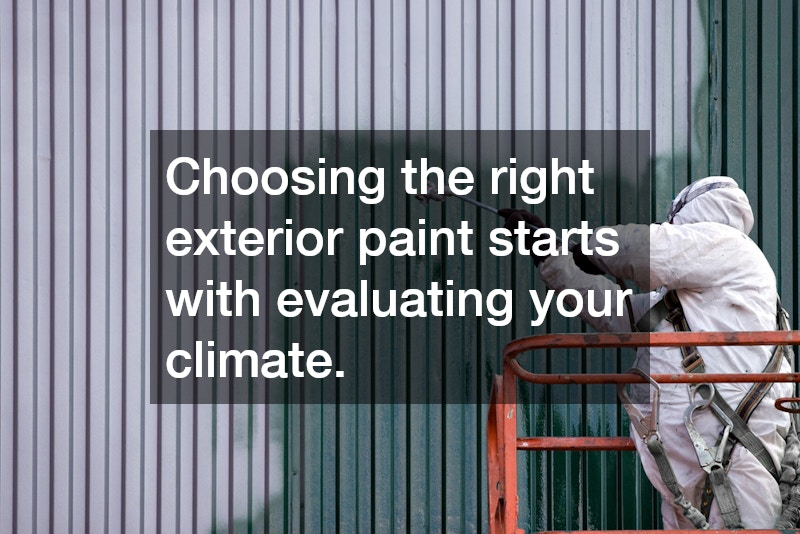
Choosing the right exterior paint starts with evaluating your climate. Weather plays a major role in how paint performs over time. Homes in hot, sunny regions need paint that resists UV fading and cracking, while properties in humid or rainy areas require strong moisture resistance to prevent peeling and mildew growth. In coastal environments, salt in the air can gradually break down lower-quality coatings, making durability especially important. In colder climates, freeze-thaw cycles can cause expansion and contraction, so flexible paint formulas are essential. Selecting exterior paint designed specifically for your environment helps extend its lifespan and maintain a fresh appearance.
It’s also important to consider seasonal timing. Painting during mild, dry weather allows exterior paint to cure properly. Extreme heat can cause paint to dry too quickly, leading to visible brush marks or uneven coverage. On the other hand, applying paint in very cold or damp conditions can interfere with adhesion. Checking product recommendations for ideal temperature ranges helps you plan the project for optimal results.
Matching Paint to Your Surface
Different exterior materials require different products. Wood siding, stucco, brick, fiber cement, and metal each have unique properties that affect paint adhesion and durability. For example, masonry surfaces often benefit from breathable coatings that allow moisture to escape, while wood may require a high-quality primer to block stains and create a smooth base. Metal surfaces typically need rust-inhibiting primers before applying exterior paint to prevent corrosion from spreading beneath the surface.
Before purchasing exterior paint, review manufacturer guidelines to confirm compatibility with your home’s surface type. If your home has multiple materials, you may need more than one product to achieve the best outcome. Properly matching the paint to the surface not only improves appearance but also strengthens long-term protection.
Investing in Quality Products
Not all paint is created equal. While lower-priced options may seem appealing, premium exterior paint typically contains higher-quality pigments and binders. These components improve coverage, color retention, and resistance to cracking or blistering. High-quality paint often requires fewer coats, which can offset the initial cost difference. In many cases, spending more upfront leads to better overall value.
Another advantage of superior exterior paint is improved resistance to dirt and mildew. Some formulations include additives that help inhibit mold growth or make surfaces easier to wash. Over time, investing in durable exterior paint reduces the need for frequent repainting and ongoing maintenance, helping your home look well cared for with less effort.
Selecting the Right Color and Finish
Color impacts more than appearance. Lighter shades reflect sunlight and may hold up better in bright climates, while darker tones create dramatic curb appeal but can absorb heat and show imperfections more easily. Neighborhood style, architectural design, and surrounding landscaping should also influence your choice. Always test sample swatches in natural light before committing. Paint can look very different depending on the time of day and the direction your home faces.
Finish also matters. Flat finishes can help conceal surface flaws but may be harder to clean. Satin or low-lustre finishes offer a balance between durability and subtle sheen, making them a popular choice for siding. Semi-gloss and gloss finishes work well for trim and doors because they’re easier to maintain and highlight architectural details. Pairing the right finish with the right exterior paint improves both aesthetics and longevity.
Considering Environmental Impact
Many homeowners today also consider the environmental impact of their products. Low-VOC or zero-VOC exterior paint options reduce harmful emissions and contribute to better air quality during application. These formulations have improved significantly over the years and now offer durability comparable to traditional paints. If sustainability is important to you, reviewing product labels and certifications can guide your selection.
Finding the right exterior paint involves balancing durability, compatibility, color, finish, and preparation. When you take climate, surface type, and product quality into account, you dramatically increase the likelihood of a long-lasting, beautiful result. By investing time in research and selecting exterior paint suited to your specific needs, you’ll protect your home while enhancing its curb appeal for years to come. A carefully chosen exterior paint not only refreshes your property’s appearance but also serves as a critical barrier against the elements, helping preserve your investment well into the future.