Understanding when it’s time to replace your furnace is crucial for maintaining a comfortable and energy-efficient home environment. This article will guide you through the key considerations and questions to determine if a furnace replacement is necessary.
How often should a furnace be replaced?
Average Lifespan of a Furnace
On average, a well-maintained furnace can last between 15 to 20 years. However, the actual lifespan of a furnace can vary significantly based on the specific model and usage.
Newer models often have more durable components and advanced technologies. As your furnace approaches the two-decade mark, it becomes essential to evaluate its performance regularly. Understanding the typical lifespan helps homeowners plan for eventual replacements before an emergency occurs.
A crucial aspect of determining the lifespan is recognizing how well the furnace has been maintained over the years. Regular servicing can extend the life of the unit, but a lack of maintenance may shorten it. The environment in which the furnace is used also plays a significant role; for example, usage in a dust-prone or humid area can affect longevity. It’s prudent to consult with HVAC professionals to get a personalized assessment based on your furnace’s history. Keeping these variables in mind will help in budgeting for a future replacement.
Additionally, technological advancements in newer models often provide better efficiency and lower operating costs. This progress is a significant consideration when deciding whether to repair or replace an old unit. Homeowners should weigh the benefits of potentially higher upfront costs against long-term energy savings. The newer models’ ability to operate more efficiently also contributes to a greener home environment, which is increasingly important for environmentally conscious homeowners. This balance between efficiency, cost, and environmental impact makes regular evaluation crucial.
Signs of Aging in a Furnace
One of the most evident signs of an aging furnace is an increase in noise levels. As components wear down, they may rattle or bang during operation, indicating potential failures. Excessive noise is not only annoying but can also signal minor issues that might necessitate a complete replacement if not addressed. Another indicator is a noticeable decrease in heating efficiency. If your home takes longer to warm up or certain rooms remain cold, it’s often a sign that the furnace is not operating at full capacity.
Another red flag for aging furnaces is the persistent need for repairs. If you find yourself frequently calling service technicians to fix breakdowns, it might be more cost-effective to consider a replacement. Even if the repair bills seem minor, consistent issues can quickly add up, making a new furnace a more economical choice in the long run. Monitoring the frequency and cost of repairs can provide a clear signal that it’s time to explore new options. Catching these signals early prompts more time to consider new systems and avoid emergency replacements.
Energy bills that gradually increase are another symptom of an aging furnace. Older systems tend to become inefficient, requiring more energy to produce the same level of heat as when they were new. This loss of efficiency translates directly into higher utility costs, which should be closely monitored. Comparatively, newer furnace models are designed with high-efficiency standards, which can significantly reduce energy costs over time. Thus, noting and investigating unexplained spikes in energy bills can save money in both the short and long term.
Factors Affecting Furnace Longevity
The longevity of a furnace is influenced by several variables, starting with the quality of the installation. Proper installation ensures that the system operates as intended, which directly impacts its lifespan. Poor installation can lead to ongoing problems, reducing efficiency and increasing wear and tear. Selecting a qualified and experienced installation company can prevent these issues from the start. Additionally, consistently using a licensed technician for annual maintenance checks is crucial for extending a furnace’s life.
The frequency and manner of use are further significant factors. Furnaces that are used intensely throughout harsh winters will naturally experience more wear and tear. It’s vital to operate your furnace efficiently, using programmable thermostats to optimize heating cycles. Proactively managing its usage reduces stress on the system, possibly extending its lifespan. Monitoring and adjusting temperature settings can also prevent overworking the furnace, further enhancing longevity.
Environmental conditions surrounding the furnace also play a critical role. Dusty environments can clog filters and internal components, leading to operational stress. Similarly, high humidity levels can cause internal components to rust or corrode. Maintaining a clean, dry environment around the furnace is essential. Furthermore, implementing practices like regular cleaning and changing filters on schedule helps to mitigate these environmental impacts, contributing to a longer service life.
Comparing New vs. Old Furnace Models
New furnace models present a range of technological advancements that offer substantial benefits over older models. Innovations in heat exchange technology and more efficient fan systems improve overall efficiency. Modern units often include features like variable speed fans that adjust to heating demands and reduce energy consumption. Comparing these features with an older furnace highlights the stark contrast in potential savings and efficiency. Homeowners are urged to consider these factors when deciding between repair and replacement.
Moreover, new furnaces often come with improved warranties, reflecting confidence from manufacturers in their products’ durability and performance. These warranties can provide peace of mind, covering parts and labor for several years. In contrast, an older furnace might not be covered or could incur rising costs for out-of-warranty repairs. Exploring the benefits of these warranties might shift the decision towards purchasing a new model. It often becomes economically beneficial to invest in reliability and peace of mind.
On top of performance and warranty benefits, new furnace models are more environmentally friendly. They are engineered to meet higher energy efficiency standards, often qualifying them for rebates and incentives. This shift towards eco-friendliness obliges older models, which cannot match these environmental standards, reinforcing the need for upgrades. Understanding these environmental impacts is increasingly relevant, with many homeowners prioritizing sustainable living. These incentives and benefits substantially contribute to reducing the cost of adopting newer technology.
Regular Maintenance and its Impact on Replacement Timing
Regular maintenance is critical in extending a furnace’s operational life and delaying the need for replacement. Scheduled inspections by skilled HVAC professionals can identify potential problems before they become major issues. Cleaning vital parts, checking flues, and adjusting controls are all standard practices during maintenance checks. Conducting these tasks annually ensures that minor problems are addressed promptly, avoiding costly repairs and premature failure. Well-maintained systems typically function more effectively and reliably over time.
Proactive maintenance practices directly contribute to the HVAC system’s efficiency. Regularly replacing filters and checking for airflow issues prevent unnecessary stress on the system. Through proper maintenance, homeowners can maximize their furnace’s efficiency and reduce monthly energy costs. This proactive approach helps avoid common problems that can reduce performance, providing a more even temperature distribution across your home. Investing in regular maintenance is an investment in the furnace’s long-term performance and endurance.
Additionally, consistent maintenance records are valuable during home sales. They demonstrate diligent care and responsibility to potential buyers, potentially increasing the home’s market appeal. Well-documented services indicate that the furnace has been cared for, reducing buyer concerns over possible undetected damages. Maintenance records also provide a timeline for potential future replacements, accommodating new owners’ budget planning. Keeping thorough records acts as evidence of conditions and aids in property value retention.
What are the signs that I need a new furnace?
Increasing Energy Bills
An increase in energy bills is often the first sign that a furnace is nearing the end of its useful life. As internal components degrade, the furnace becomes less efficient, requiring more energy to achieve the same output. If you observe that your energy costs are significantly higher than in previous years without an explanation, your furnace may be the culprit. Comparing your current energy usage to previous years’ usage can provide evidence of this decline. Addressing these rising costs is crucial as they represent not only a financial concern but also an energy inefficiency.
Furthermore, older furnaces are generally less efficient than newer models available on the market. Poor efficiency not only affects operational costs but also contributes to increased environmental impacts due to higher emissions. Homeowners should take note of these inefficiencies and explore options for a new, energy-efficient model. Investing in energy-efficient appliances can significantly reduce operating costs and contribute to a more sustainable lifestyle. Making these changes is part of a larger strategy to optimize home energy use.
If a comprehensive energy audit reveals the furnace as the primary source of inefficiency, pursuing the options to improve or replace becomes paramount. This process helpfully identifies which specific components or older technologies are causing the most drain. From there, HVAC professionals can recommend either substantial repairs or replacement options designed to alleviate these stress points. Such assessments provide data-driven insights, empowering homeowners to make informed decisions regarding replacements. Taking action based on reliable data improves both economic and environmental outcomes long-term.
Unusual Noises from the Furnace
Furnace noises vary, with some indicating benign issues and others warning of potential major failures. Common sounds that suggest problems include banging, clanking, or squealing. These noises often occur due to worn-out components, poor lubrication, or misalignment within the system. Detecting and addressing these sounds early can prevent minor issues from escalating into more significant problems. Should unusual noises be ignored, they can result in the furnace stopping altogether, prompting emergency repairs or replacements.
Particular attention should be paid to noises that occur alongside operational malfunctions or decreased efficiency. While not all noises signal catastrophic failures, it’s better to err on the side of caution. Consulting with HVAC professionals is recommended to diagnose and decide if repairs are feasible or a full replacement is necessary. Early intervention after the onset of unusual noises will often mitigate costs and extend the overall lifespan of the furnace. Careful monitoring of system operations can avert otherwise unavoidable replacements.
It is essential to document when the noises started and if any specific events have precipitated their onset. This information can aid technicians in pinpointing root causes more quickly, leading to more efficient problem-solving. Technicians can suggest tailored solutions, from simple component replacements to complete system upgrades. Understanding this decision-making process facilitates more proactive furnace management. Employing preventive measures informed by these comprehensive assessments improves overall home heating reliability.
Frequent Repairs Needed
The necessity for frequent repairs is a clear signal that a furnace may need replacement. Over time, the cost of frequent small repairs can exceed that of investing in a new system. Regular breakdowns not only create financial burdens but also cause inconvenience during cold months when heating is critical. An honest evaluation of repair records can guide decisions about continuing repairs or pursuing replacement. Homeowners must recognize when investing in a new system is the more economically sound choice.
Additionally, finding replacement parts for older models might become increasingly difficult, with manufacturing for certain components phasing out. This scarcity can lead to heightened repair costs and increased downtime while waiting for parts. Each additional repair risks another system shutdown, compounding frustration and inconvenience. In contrast, new models offer readily available parts and lower immediate maintenance needs. Making prudent decisions regarding replacements reduces these recurring disruptions.
Moreover, experienced HVAC technicians can help identify when achieving further efficiencies or improvements with the existing system is no longer viable. They can provide detailed analyses, incorporating the cost of continuous repairs versus the cost of investing in a new system. Making informed decisions in these situations relies heavily on the objective cost-benefit analysis performed by skilled professionals. Evaluating these expert insights aids in selecting the most economically feasible option. A strategic approach to these decisions can safeguard against ongoing service interruptions and inefficiencies.
Inefficient Heating
One of the most frustrating issues with an old furnace is uneven or inefficient heating, leading some areas of the home to be too cold while others are too hot. This lack of uniformity often signals internal thermostat issues or failing components unable to distribute heat efficiently. For homes struggling with this balance, which can significantly reduce comfort levels, a new furnace may provide the resolution and restoration needed. Understanding inefficiencies in heat distribution is pivotal for maintaining a comfortable home environment.
Uneven heating often results from various system problems, including dirty filters, failing motors, or malfunctioning electrical components. Addressing these concerns through repairs may provide short-term relief but are unlikely to solve long-standing issues permanently. Professional evaluations can reveal these deficiencies, suggesting options like zoning distros or technologies available only in newer models. Taking stock of these options can enrich decisions regarding heating solution upgrades. Enhanced heat delivery enhances comfort and energy efficiency.
Advancements in furnace technology also allow for customizable settings to meet varied home needs. Modern systems often offer precise temperature control across different areas, reducing wasteful heating in unoccupied rooms. Implementing zoning technology in a replacement can achieve considerable energy and cost savings, ensuring that warmth is effectively targeted only where required. Exploiting these technologies embodies an intelligent approach to improved home heating operations. Adopting these advancements assures thoughtful, efficient, versatile warmth solutions.
Visible Rust or Cracks
Signs of physical deterioration in your furnace, such as rust or visible cracks, indicate structural weaknesses. Rust formation occurs due to prolonged exposure to moisture, which can also weaken integral components. Should unchecked, corrosion can lead to leaks or dangerous emissions of gases into your home environment. Proactively identifying these indicators can avert health hazards and significant property damage. Regular inspections reveal such physical failures, emphasizing the importance of maintaining inspection routines.
Structural weaknesses like cracks or rusted areas often underscore deeper operational inefficiencies that require immediate attention. These cosmetic issues can conceal internal developments that further threaten operational safety. Significantly, ignoring these cosmetic indicators can precipitate sudden, costly, and inconvenient failures during a period of high demand. Prioritizing safety through rigorous inspections ultimately ensures peace of mind. Homeowners must prioritize safety to prevent harm from their home furnace system.
When faced with evident wear like rust or cracks, urgent investigation and assessment become necessary. Consulting with certified HVAC professionals ensures that the severity of the issues is properly judged and not mistakenly minimized. Once assessed, engaging in timely repairs or replacements protects both inhabitants and the integrity of their home environment. The focus on timely action underscores a conscientious, safe, proactive lifestyle. Establishing this proactive approach ensures ongoing home security and comfort.
How can I improve my furnace’s efficiency?
Regular Filter Replacement
Replacing furnace filters regularly is a simple yet effective way to maintain system efficiency. Dirty and clogged filters restrict airflow, forcing the furnace to work harder to distribute heat, leading to higher energy usage and costs. Ideally, filters should be replaced every one to three months, depending on usage patterns and manufacturer recommendations. Consistent replacement ensures clear pathways for air, enhancing the furnace’s overall efficiency. Keeping filters clean is a straightforward task that supports long-term efficiency goals.
Moreover, clean filters improve air quality by trapping dust, pollen, and other airborne particles. This is particularly crucial for occupants with allergies or asthma, as better indoor quality can significantly reduce health issues. Investing in high-quality filters and adhering to replacement schedules benefits both furnace efficiency and home air quality. Educating family members about the need for routine filter checks promotes household awareness. This proactive enriches home well-being, making comfort a priority for all.
Neglecting filter replacements can have more dire long-term consequences than just inefficiency, leading to overheating and potential system failures. Overheated furnaces may require costly repairs or even lead to a total replacement if left unchecked. Adopting a proactive approach to filter maintenance extends furnace lifespan and minimizes the risk of unexpected breakdowns. Understanding these connections empowers homeowners to take basic, impactful action, preserving furnace health. Establishing this routine protects both equipment and financial resources.
Sealing Ductwork
Ensuring that ductwork is properly sealed can significantly impact furnace efficiency. Leaky ducts allow heated air to escape into unconditioned spaces instead of flowing into living areas. This escape forces the furnace to operate longer and more frequently to maintain the desired temperature, increasing both cost and wear on the system. Professional duct sealing services can identify leaks and ensure ductwork is operating at maximum efficiency. Investing in sealing minimizes unnecessary loss, maximizing your furnace’s performance.
Poorly sealed ducts can also draw dust, pollutants, and allergens from surrounding areas, negatively impacting indoor air quality. By addressing ductwork sealing, homeowners can improve the delivery of clean, efficient heat to the home environment. This enhances overall comfort and health conditions, enriching home life. Routine evaluations of ductwork encourage a structured approach to maintaining heating systems. Strengthening infrastructural integrity builds reliability for all household members.
The cost of investing in professional duct sealing is typically offset by the savings achieved through reduced energy expenses. Well-sealed ducts contribute to comprehensive household efficiency efforts, aligning with energy conservation goals. Additionally, maintaining ducts enhances property values, reflecting care and consideration in home investments. Emphasizing efficiency in duct infrastructure promotes harmony with broader energy efficiency initiatives. Contributing to these initiatives reinforces communal advancements in environmental care.
Installing a Programmable Thermostat
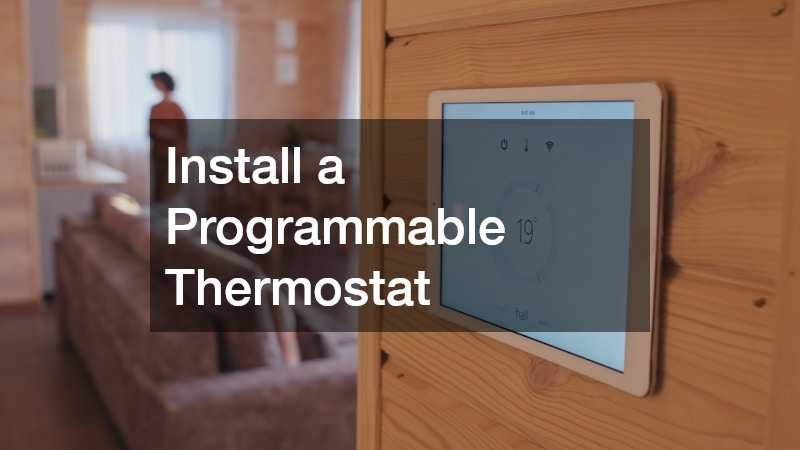
Incorporating a programmable thermostat into your home heating strategy is a straightforward way to improve furnace efficiency. These devices allow you to precisely control heating schedules, tailoring temperatures to match daily routines. By doing so, heating is optimized, avoiding unnecessary operation when the home is unoccupied, leading to reduced energy usage and costs. Users can preprogram heat settings to match weekend, weekday, and vacation schedules, balancing comfort and efficiency. Leveraging modern temperature technology is a cornerstone of efficient home stewardship.
Programmable thermostats also contribute to longer furnace life by reducing wear and tear on the system. By minimizing the number of heating cycles throughout the day, the furnace experiences less stress, which can prevent excessive component wear. This systematic approach to home climate control represents practical and preventative furnace management. Maintaining an optimal operational balance through scheduling ensures enduring system performance. Investing in programmable solutions encourages efficient operation and device longevity.
Furthermore, smart thermostats offer the added convenience of remote management via smartphone apps, allowing adjustments from virtually anywhere. This remote access ensures that users can make immediate changes to accommodate unforeseen schedule changes, maximizing both efficiency and comfort. Adapting to new thermostat technologies aligns with holistic household strategies for energy management. Smart systems simplify control while enhancing responsiveness, broadening efficiency impact. These transformations reflect forward-thinking home management principles.