
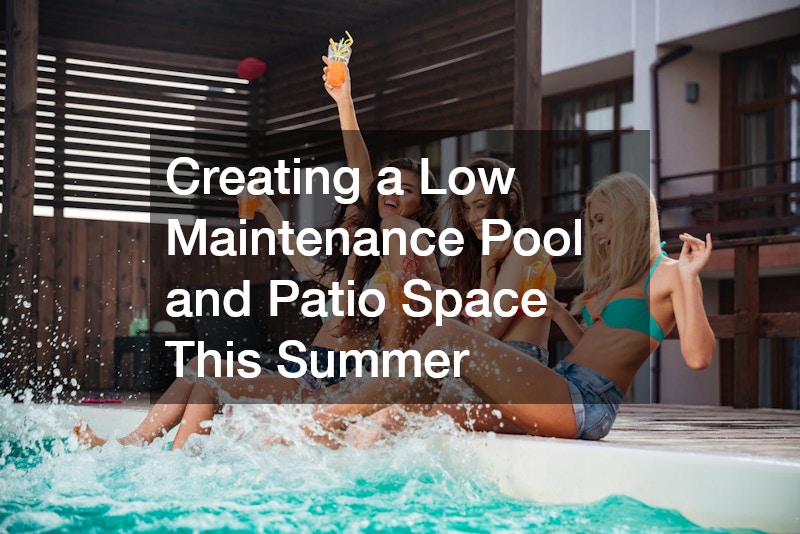
A pool and patio should feel like a personal retreat—an easy place to relax, entertain, and enjoy warm summer days without constant upkeep. However, many homeowners find that maintaining a pool area can quickly become time-consuming and expensive if it’s not designed with efficiency in mind. From cleaning debris to managing water chemistry and maintaining equipment, the workload can add up fast.
The key to creating a low-maintenance pool and patio space lies in smart planning, durable materials, and thoughtful system design. By making strategic upgrades and simplifying your setup, you can reduce daily tasks, minimize long-term costs, and spend more time enjoying your outdoor space instead of maintaining it.
1. Evaluating Your Current Setup for Efficiency and Improvement Opportunities
Before making upgrades, it’s important to assess your existing pool and patio layout. Many maintenance challenges stem from design inefficiencies rather than the pool itself. Identifying problem areas helps you focus on improvements that will deliver the greatest impact.
Start by evaluating how your space functions day-to-day:
- Are there areas where debris tends to collect?
- Is the equipment easily accessible for maintenance?
- Does the layout encourage or prevent water runoff issues?
- Are surfaces easy to clean or prone to staining?
Look closely at both structural elements and equipment performance. Aging filtration systems, poor drainage, and cluttered layouts often increase maintenance demands. Even small inefficiencies—like poorly placed seating or inadequate storage—can lead to more frequent cleaning.
Creating a clear list of issues and priorities allows you to develop a targeted plan that focuses on simplifying maintenance rather than adding unnecessary features.
2. Building a Strong Foundation With the Right Professional Support
Working with experienced professionals is one of the most effective ways to reduce long-term maintenance. A skilled local pool contractor can design a system that minimizes common issues like poor drainage, inefficient circulation, and difficult-to-clean surfaces.
Pool installers also play a crucial role in ensuring that every component is properly placed and secured. Poor installation often leads to leaks, uneven surfaces, and premature wear—all of which increase maintenance over time.
When planning your project, prioritize:
- Proper grading and drainage around the pool area
- Efficient plumbing layouts for balanced water circulation
- Durable materials suited to your climate
- Accessibility for future maintenance and repairs
Professional guidance ensures that your pool and patio are built with longevity and ease of care in mind, reducing the likelihood of costly fixes later.
3. Upgrading Equipment to Simplify Daily Pool Care
Outdated or low-quality equipment can significantly increase the amount of time required to maintain a pool. Investing in modern, efficient components helps streamline cleaning and water management.
Key pool parts to consider upgrading include:
- High-efficiency pumps that reduce energy use and improve circulation
- Advanced filtration systems that capture fine debris
- Automatic pool cleaners that operate independently
- Durable skimmers that minimize clogging
Automation is especially valuable for reducing manual work. Many systems now allow homeowners to schedule cleaning cycles, monitor performance, and adjust settings remotely.
Choosing high-quality components also reduces the frequency of repairs and replacements, making maintenance more predictable and manageable.
4. Incorporating Relaxation Features Without Increasing Workload

Adding features like hot tubs can enhance your outdoor experience, but they should be selected with maintenance in mind. Modern spa systems are designed to integrate seamlessly with pool setups while minimizing additional upkeep.
When choosing a spa feature, look for:
- Self-cleaning filtration systems
- Energy-efficient heating options
- Easy-drain designs for periodic cleaning
- Durable, non-porous surfaces that resist buildup
Placement also matters. Positioning hot tubs close to the main pool system can simplify plumbing and reduce maintenance complexity. Shared filtration or heating systems can further streamline care.
With the right setup, relaxation features can enhance comfort without adding significant maintenance responsibilities.
5. Installing Efficient Lighting for Safety and Ambiance
Lighting plays an important role in both safety and usability, especially for evening swimming and entertaining. Choosing efficient lighting solutions can reduce maintenance while enhancing the overall atmosphere.
Outdoor LED lighting is a popular choice because it offers long lifespan, energy efficiency, and minimal heat output. These systems require far less frequent replacement compared to traditional bulbs.
When planning lighting installation, consider:
- Illuminating pathways and pool edges for safety
- Highlighting seating and gathering areas
- Using timers or smart controls for automation
- Selecting weather-resistant fixtures for durability
Proper lighting placement reduces the need for adjustments and replacements while improving visibility and comfort.
6. Simplifying Water Care With Smarter Management Techniques
Water quality management is one of the most time-consuming aspects of pool ownership, but it can be simplified with the right strategies. Maintaining balanced water reduces the need for frequent adjustments and prevents long-term issues.
Pool water recycling systems help reduce waste by filtering and reusing water, minimizing the need for full drainage and refilling. This not only conserves resources but also reduces maintenance effort.
Understanding how to lower TDS in pool water is also important for maintaining clarity and chemical balance. High levels of dissolved solids can lead to cloudy water and reduced effectiveness of sanitizers.
Effective strategies include:
- Regular partial water replacement
- Using specialized filtration systems
- Monitoring chemical levels consistently
- Avoiding overuse of additives
A proactive approach to water care helps maintain consistent quality with less effort over time. By regularly monitoring water parameters and addressing potential issues before they escalate, you can ensure a healthier environment for aquatic life. Implementing routine maintenance and using effective filtration systems can also significantly reduce the workload in the long run. This not only leads to clearer and cleaner water but also enhances the overall aesthetic and enjoyment of your water feature or aquarium. Consistency in care ultimately translates to peace of mind for any water enthusiast.
7. Adding Comfortable Shade Solutions With Minimal Maintenance
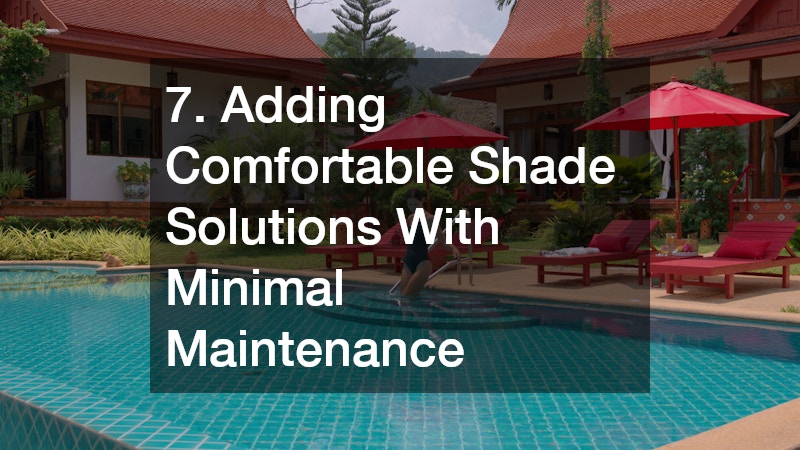
Providing shade is essential for creating a comfortable outdoor space, but it should not add to your maintenance workload. Simple, durable solutions offer both protection and convenience.
Large patio umbrellas are a practical option because they are easy to install, adjust, and store. They provide flexible coverage without requiring permanent structures or complex maintenance.
When selecting shade solutions:
- Choose weather-resistant fabrics that resist fading
- Look for sturdy frames that withstand wind exposure
- Opt for easy-open mechanisms for convenience
- Store or secure umbrellas during extreme weather
These features ensure that shade elements remain functional and attractive with minimal upkeep. This means that homeowners can enjoy the benefits of outdoor living spaces without the constant worry of maintenance. Additionally, the durable materials used help to resist fading and wear, providing a long-lasting solution that adds value to any property. With a variety of designs available, it’s easy to find options that seamlessly blend with any architectural style, enhancing both the aesthetics and functionality of outdoor areas.
8. Preventing Problems With Routine Professional Evaluations
Regular inspections are one of the most effective ways to reduce long-term maintenance. Professional pool inspectors can identify small issues before they become major problems, saving both time and money.
Inspections typically focus on:
- Structural integrity of the pool shell
- Condition of plumbing and filtration systems
- Electrical safety and equipment performance
- Signs of leaks or material wear
Scheduling inspections at least once a year helps ensure that all systems are functioning properly. Early detection of issues allows for quick repairs, preventing more extensive damage. Routine evaluations provide peace of mind and help maintain a consistently low-maintenance environment.
In addition, regular inspections can significantly extend the lifespan of your systems by identifying potential problems before they escalate. This proactive approach not only saves money on repairs but also enhances safety for everyone involved. Ultimately, investing time in routine checks fosters a reliable environment that supports both functionality and comfort.
9. Designing a Layout That Reduces Cleaning and Clutter
A well-organized patio layout can significantly reduce the amount of cleaning required because it limits the number of places where dirt, debris, and moisture can collect. When a space is thoughtfully designed, maintenance becomes more predictable and less time-consuming. Instead of constantly reacting to messes, homeowners can rely on a layout that naturally minimizes buildup and supports quick, efficient cleaning routines.
Using smooth, non-porous materials that are easy to clean is one of the most impactful design decisions. Surfaces like sealed concrete, composite decking, or high-quality pavers resist staining and do not trap dirt the way rough or porous materials do. This makes routine cleaning as simple as rinsing with a hose or using a light scrub. Non-porous materials also help prevent mold and mildew growth, which can develop quickly in damp poolside environments and require more intensive cleaning if left untreated.
Creating designated storage areas for pool accessories helps eliminate clutter, which is a major contributor to maintenance challenges. Items such as floats, cleaning tools, and towels can easily become scattered across the patio, collecting dirt and making surfaces harder to clean. By incorporating storage benches, deck boxes, or built-in cabinets, everything has a defined place. This not only keeps the area visually tidy but also makes it easier to clear surfaces quickly when cleaning is needed.
Positioning furniture to minimize obstruction and dirt accumulation is another key strategy. Furniture placed too close together or in high-traffic pathways can trap debris and make it difficult to clean underneath or around it. Arranging seating and tables with adequate spacing allows for better airflow and easier access for sweeping, rinsing, or pressure washing. Elevated furniture with open bases can also reduce dirt buildup by allowing debris to pass through rather than collect underneath.
Incorporating proper drainage to prevent standing water is essential for maintaining a clean and safe patio. Water that pools on surfaces can lead to staining, algae growth, and slippery conditions. Designing the patio with a slight slope away from the pool and home helps direct water toward drains or landscaped areas. Channel drains or permeable materials can further improve water management by allowing runoff to move efficiently away from high-use zones. Proper drainage not only reduces cleaning effort but also extends the lifespan of patio materials.
Separating activity zones—such as dining, lounging, and swimming—also helps keep the space organized and easier to maintain. When each area has a specific function, it becomes easier to contain messes and prevent them from spreading. For example, keeping dining areas away from the pool edge reduces the chance of food debris entering the water, while dedicated lounging areas can be designed with materials that are more resistant to moisture.
A clutter-free environment reduces the likelihood of dirt and debris spreading throughout the area because there are fewer obstacles to trap and redistribute particles. Open, well-defined spaces allow for quicker cleaning passes and make it easier to spot problem areas before they worsen. Over time, this level of organization not only improves the appearance of the patio but also significantly reduces the effort required to keep it in top condition.
10. Establishing a Simple, Consistent Maintenance Routine
Even with the best design and equipment, a consistent maintenance routine is essential for keeping your pool and patio in top condition. The goal is to create a schedule that is easy to follow and requires minimal time.
A basic routine may include:
- Weekly skimming and surface cleaning
- Checking and adjusting water chemistry
- Inspecting equipment for proper operation
- Cleaning filters and removing debris
Monthly tasks might involve deeper cleaning, equipment checks, and minor repairs. Seasonal adjustments ensure that the system remains efficient throughout changing weather conditions.
Automation tools can further simplify maintenance by handling routine tasks such as cleaning cycles and chemical balancing. Keeping a checklist or digital log helps ensure consistency and prevents overlooked issues. Additionally, these tools can provide real-time monitoring and alerts, enabling quicker responses to any emerging problems. By integrating maintenance schedules with automation, you can optimize equipment performance and extend the lifespan of your systems. Regularly reviewing the data collected through these logs also allows for smarter decision-making and proactive adjustments to maintenance practices.
Conclusion
Creating a low-maintenance pool and patio space is all about making smart, intentional choices that prioritize efficiency, durability, and simplicity. By focusing on proper design, reliable equipment, and consistent upkeep, homeowners can significantly reduce the time and effort required to maintain their outdoor space.
With the right approach, your pool area can become a stress-free environment where relaxation and enjoyment take priority over maintenance tasks, allowing you to fully embrace the benefits of outdoor living all summer long.