
Keeping a home running smoothly used to mean juggling a dozen maintenance calendars, warranty papers, and phone numbers scribbled on the back of a junk drawer receipt. Today, smarter systems, better materials, and a handful of well-planned upgrades can take that burden off your shoulders. Whether you are trying to cut down on emergency repairs, lower your utility bills, or simply stop worrying about what might break next, the right improvements make a real difference. This guide walks through practical, high-impact upgrades for the systems that matter most in everyday life.
Keep Your Heating and Cooling Systems Running Efficiently
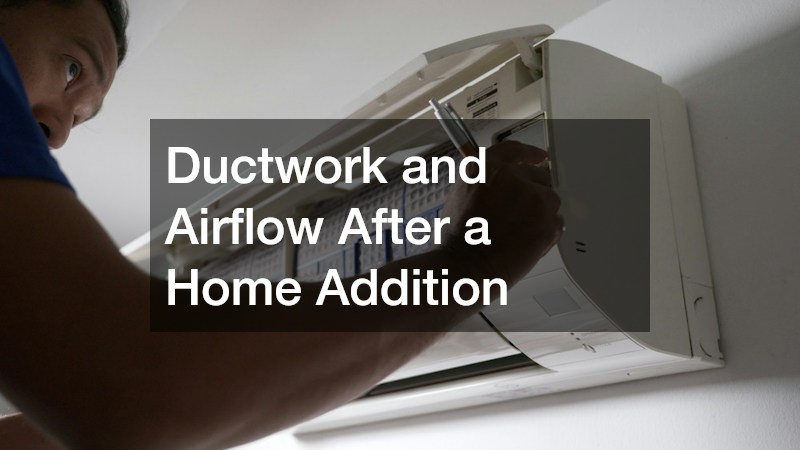
Your heating and cooling equipment works harder than almost anything else in your house, which means it also tends to fail at the worst possible times. Scheduling routine checkups before peak season hits can catch small issues before they turn into expensive breakdowns. Many homeowners wait until a system stops working entirely, but a little attention twice a year goes a long way toward avoiding that scenario.
When something does go wrong, prompt AC repair can prevent a minor refrigerant leak or failing capacitor from turning into a full system replacement. The same logic applies to heating equipment, since small inefficiencies compound over a long winter. Pairing regular maintenance with smart thermostats also gives you real-time data on performance, so you notice problems sooner rather than later.
- Replace air filters every one to three months depending on usage
- Keep outdoor condenser units clear of debris and vegetation
- Schedule professional tune-ups in spring and fall
- Monitor energy bills for unexplained spikes that signal declining efficiency
Choose the Right Professionals for Ongoing System Care
Not every repair job is a do-it-yourself project, and heating and cooling systems are a prime example of where expertise matters. Reputable HVAC contractors carry the licensing, insurance, and training needed to diagnose issues correctly the first time, which saves you from paying twice for the same problem. A botched DIY fix or an inexperienced technician can also void your equipment’s manufacturer warranty, turning a small repair into a costly replacement down the road. Before signing on with anyone, verify their credentials through your state’s licensing board and confirm their insurance covers both liability and workers’ compensation. Ask about their experience with your specific system brand, whether they’re certified by manufacturers like Carrier, Trane, or Lennox, and how many years they’ve serviced equipment similar to yours. Request at least three references, and don’t hesitate to call them to ask about punctuality, pricing transparency, and whether the repair actually solved the problem. It’s also worth asking how contractors handle emergency calls, since a furnace failure in January or an AC breakdown in July can’t always wait for a standard appointment slot. Compare at least two or three quotes for any major repair or installation, since prices can vary by hundreds of dollars for the same job. Finally, consider enrolling in a maintenance plan with your chosen provider, as regular tune-ups twice a year often catch small issues before they become expensive emergencies.
A smart upgrade here is not a physical product but a maintenance plan. Many contractors offer annual or bi-annual service agreements that bundle inspections, discounts on parts, and priority scheduling during busy seasons, typically for a few hundred dollars a year depending on the system. HVAC companies, for example, often include spring and fall tune-ups in these plans, while plumbers may offer annual water heater flushes and drain inspections as part of the package. This kind of relationship means you are not starting from scratch every time something needs attention. The technician already knows your system’s age, past repairs, and quirks, which saves time diagnosing problems and often leads to more accurate recommendations. Routine visits also catch small issues before they become emergencies, like a failing capacitor in an air conditioner or a slow leak under a water heater. When comparing providers, ask about response times for existing customers, whether the plan covers labor or just parts, and if unused visits roll over to the next year.
Protect Your Yard From Seasonal Pest Pressure
Outdoor comfort is just as much a part of home management as what happens indoors, and few things ruin a backyard evening faster than biting insects. Standing water, overgrown vegetation, and shaded corners all create ideal breeding grounds that are easy to overlook. A proactive approach to mosquito removal can make the difference between a yard you actually use and one everyone avoids after sunset.
Professional treatments typically target breeding sites directly and apply barrier sprays that last several weeks at a time. Combining this with simple habit changes around your property extends the results significantly and reduces how often treatments are needed.
- Empty birdbaths, buckets, and plant saucers weekly
- Keep gutters clear so water does not pool
- Trim back dense shrubs that trap humidity
- Consider standing fans on patios, since mosquitoes struggle to fly in moving air
Know When It Is Time to Replace Your Furnace
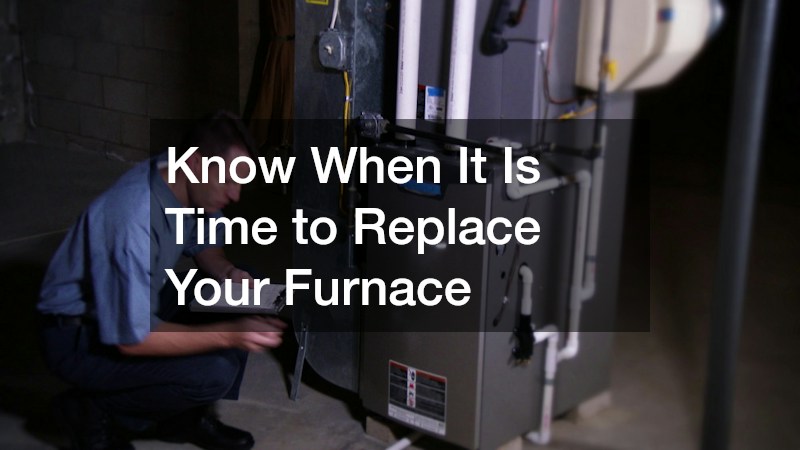
Furnaces do not usually fail all at once; they decline gradually through rising energy bills, uneven heating, and more frequent repair calls. Most systems last between fifteen and twenty years, and once you are regularly calling for service on an aging unit, it is worth comparing those costs against furnace replacement. Newer models are significantly more efficient, often saving a noticeable percentage on monthly heating costs.
Timing the replacement before a complete breakdown also gives you room to research options rather than making a rushed decision during a cold snap. Look at efficiency ratings, warranty terms, and sizing recommendations based on your home’s square footage, since an oversized or undersized unit will never perform well no matter how new it is.
Maintain Specialty Systems Like Water Treatment Units
Not every home system gets the attention it deserves, and water treatment equipment is a common example. These units quietly handle hardness, filtration, and sometimes softening, but they require periodic checkups to keep performing at their best. Scheduling regular ATU service ensures that alarms, pumps, and filtration components are functioning correctly before a small malfunction turns into water damage or a costly repair.
Homeowners with septic or aerobic treatment systems in particular should keep a maintenance log and understand what warning signs to watch for, such as unusual odors or slow drainage. Catching these early almost always costs less than waiting for a full system failure.
Refresh Your Landscaping With Low-Maintenance Materials
Landscaping choices affect how much time you spend on upkeep every single weekend, and some materials are simply easier to live with than others. Many homeowners are shifting toward ground covers that suppress weeds without constant watering or mowing. Bark dust is a popular option because it retains moisture, breaks down slowly, and gives garden beds a clean, finished look without heavy maintenance.
Reapplying every year or two keeps beds looking fresh and helps regulate soil temperature for plants during extreme weather. It is also considerably cheaper over time compared to sod or decorative stone installations that require more labor to adjust or replace.
- Choose a material depth of two to three inches for best weed suppression
- Avoid piling material directly against tree trunks or stems
- Pair with a weed barrier fabric for added control
- Refresh color and coverage annually in garden beds that get heavy sun exposure
Extend Your Living Space With an Outdoor Structure
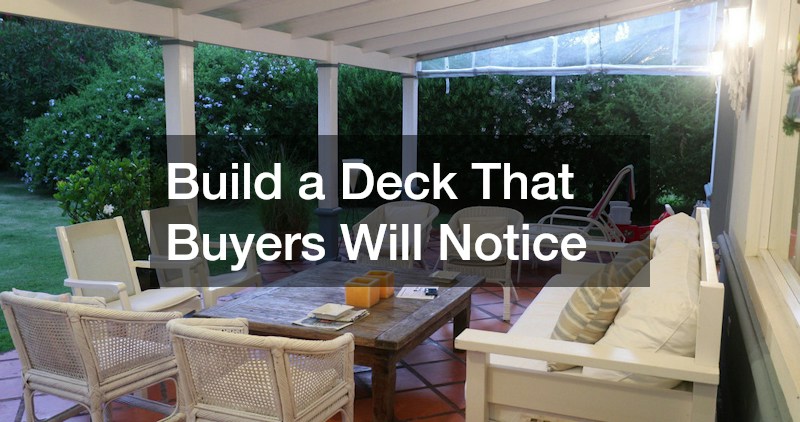
Outdoor living areas have become one of the most requested upgrades for homeowners who want more usable space without a full addition. A well-built structure protects furniture and guests from sun and light rain while extending the number of months you can comfortably use your backyard. Patio covers range from simple aluminum frames to fully insulated structures with integrated lighting and ceiling fans, so there is a wide range of budgets to work with.
Beyond comfort, these structures also reduce wear on outdoor furniture and flooring by limiting direct sun exposure, which means less fading and fewer replacement costs down the line. Choosing a design that matches your home’s roofline and siding keeps the addition looking intentional rather than tacked on.
Upgrade Your Garage Entry for Safety and Convenience
The garage is one of the most frequently used entry points in most homes, yet its hardware often gets upgraded last. Modern garage door openers now include smartphone connectivity, battery backup for power outages, and rolling security codes that prevent signal theft. These features matter more than they might seem, since the garage is a common target for break-ins when older openers are still in use.
Beyond security, newer models are noticeably quieter, which matters if your garage sits below or beside a bedroom. Many also integrate with broader smart home systems, letting you check whether the door is closed from your phone instead of driving back home to verify it.
- Look for rolling code technology to prevent signal cloning
- Choose a battery backup model if you live in an area with frequent outages
- Consider smartphone app integration for remote monitoring
- Check noise ratings if the garage is attached to living space
Keep Your Driveway and Walkways in Good Repair
Pavement might not seem like a high priority compared to indoor systems, but cracked or uneven surfaces create real safety hazards and curb appeal problems. Water that seeps into small cracks expands when it freezes, turning minor damage into major structural issues over a single winter. Experienced asphalt contractors can identify whether a surface needs simple sealing, patching, or a full repave based on the extent of the damage.
Routine sealing every two to three years significantly extends the life of a driveway and keeps repair costs manageable. Catching small cracks early is always cheaper than waiting until the whole surface needs replacement.
Plan Ahead When Building or Renovating a Home

If you are at the stage of building rather than retrofitting, the smartest upgrades are the ones baked into the design from day one. Working with an experienced custom home builder means wiring, ductwork, and structural elements can be planned around smart systems rather than added awkwardly later. This approach tends to save money long term, since retrofitting a finished home for new technology almost always costs more than including it during construction. A few specifics are worth flagging early in the design process. Low-voltage wiring for cameras, speakers, and sensors should run through walls before drywall goes up, and homeowners should decide whether they want a centralized hub location, often a closet or utility room, for networking equipment and control panels. Electrical panels can also be sized with extra capacity for future additions like EV chargers, battery storage, or a second HVAC zone. Ductwork and plumbing deserve the same forethought. Zoned HVAC systems, smart water shutoff valves, and recirculating hot water lines are far simpler to install when a contractor has full access to open walls and subfloors. Trying to add these features after move-in often means cutting into finished surfaces, which drives up labor costs significantly. It’s also worth discussing structural details like conduit pathways and reinforced mounting points for future equipment, such as solar panels or motorized shades. A good custom home builder will walk through these options during the planning phase, helping prioritize which systems matter most within your budget rather than treating smart features as an afterthought.
Discuss future needs early, even if your budget does not allow for every feature right away. Running conduit for future solar panels or pre-wiring for smart thermostats costs very little during construction compared to opening up finished walls later. A roll of low-voltage wire and an extra hour of labor during framing can save thousands in drywall repair and patching down the road. Walk through each major system with your contractor before walls go up. Ask about adding extra electrical outlets near the kitchen island for future smart appliances, running Cat6 cable to rooms that might become home offices, and installing a few extra data ports near the TV and router locations. Even small decisions, like centering a utility closet for easy panel access or choosing a water heater location that makes a future tankless upgrade simpler, pay off later. It also helps to think about capacity, not just placement. A 200-amp electrical panel instead of a 100-amp one leaves room for an EV charger or additional HVAC equipment without a costly upgrade. Similarly, sizing structural supports for a future second-story addition or a heavier roof-mounted solar array now avoids expensive retrofits once the home is finished.
Managing a home does not have to mean constant firefighting between repairs, replacements, and unexpected surprises. By addressing these systems proactively and knowing which professionals to call before small issues escalate, you put yourself in control of your home’s performance and budget. Start with whichever system has been causing you the most stress lately, whether that is an aging furnace or a driveway full of cracks, and build from there. A little planning now saves significant time, money, and frustration down the road.