
Staring at a limited budget while your home has a growing list of needs can feel overwhelming, especially when every system seems equally urgent. The truth is that some investments protect your house from serious damage, while others simply improve comfort or appearance. Knowing the difference helps you spend wisely instead of reactively.
This guide breaks down which home systems deserve priority so you can protect your investment and avoid costly surprises down the road.
Start With What Protects the Structure
Your roof is the single most important barrier between your home and the elements, so it should almost always sit at the top of your priority list. A small leak left unaddressed can quietly rot framing, ruin insulation, and lead to mold growth long before you notice a stain on the ceiling. Scheduling an inspection at least once a year, and immediately after major storms, helps you catch problems while they are still minor and inexpensive to fix.
If your inspection turns up missing shingles, soft spots, or granule loss in the gutters, it is time to call in professionals rather than wait. Local roofing repairs are often far more affordable than a full replacement, and addressing small issues early can add years to your roof’s lifespan. Waiting too long, on the other hand, often turns a simple patch job into a five-figure replacement project.
- Check for curling, cracked, or missing shingles every spring and fall
- Look inside the attic for water stains or daylight coming through the roof deck
- Clear debris from gutters so water drains away from the foundation
- Get a professional opinion before a small leak becomes a structural issue
Keep Your Climate Control Running Efficiently

Heating and cooling account for a huge share of most utility bills, which makes an efficient, well-maintained system one of the smartest places to put your money. An aging furnace or air conditioner does not just cost more to run; it also tends to fail at the worst possible time, usually during the first cold snap or heat wave of the season. Reputable heating companies can evaluate whether your current unit is worth repairing or whether replacement will save you more in the long run.
The same logic applies to cooling systems, since a unit working overtime to compensate for leaky ducts or a dying compressor wastes energy every single day it runs. Many AC companies offer efficiency assessments that reveal whether simple fixes, like sealing ductwork or replacing a thermostat, could extend the life of your existing system. Prioritizing these smaller investments now often means avoiding a full system replacement years ahead of schedule.
- Replace air filters every one to three months for better efficiency
- Schedule seasonal tune-ups before peak heating and cooling months
- Watch for unusual noises, uneven temperatures, or rising energy bills
- Ask about programmable thermostats to reduce daily energy waste
Evaluate the Condition of Your Flooring
Flooring takes a beating every single day, and worn or damaged floors can make an entire home feel neglected even if everything else is in great shape. Before deciding whether to repair or replace, take a close look at whether the damage is cosmetic or structural, since warped boards or soft spots may signal moisture problems underneath. A reputable hardwood flooring company can assess whether refinishing is enough or whether the subfloor itself needs attention.
Refinishing existing hardwood is often far more budget-friendly than a full tear-out, and it can dramatically improve how a room looks and feels. If you are working with carpet or outdated tile instead, consider whether upgrading to hardwood in high-traffic areas would add more long-term value to your home. Flooring decisions are highly visible, so they tend to have a strong impact on resale value as well as daily comfort.
- Look for gaps, cupping, or discoloration that may indicate moisture damage
- Compare refinishing costs against full replacement before committing
- Prioritize high-traffic areas like hallways, kitchens, and living rooms
- Ask about eco-friendly finishes if indoor air quality is a concern
Address Bathroom Wear Before It Becomes a Bigger Problem
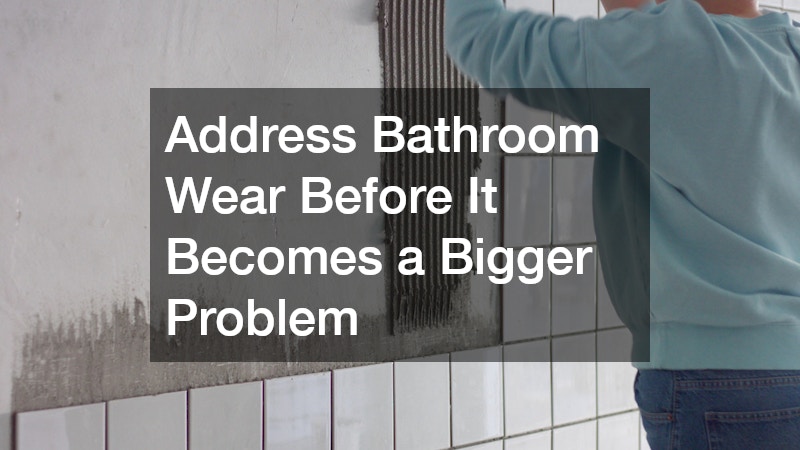
Bathrooms combine plumbing, ventilation, and moisture in a small space, which makes them especially vulnerable to hidden damage. Small issues like a slow leak under the sink or a failing exhaust fan can lead to mold, warped flooring, or damaged drywall if ignored for too long. Bringing in a bath remodeling contractor for an assessment, even if you are not ready for a full renovation, can help you catch these issues early.
Updating fixtures, improving ventilation, and sealing grout lines are relatively low-cost projects that can prevent much larger repairs later on. If your bathroom is more than twenty years old, outdated plumbing behind the walls may also be due for an inspection. Investing here protects both your home’s structure and your family’s health, since poor ventilation is a common cause of indoor mold growth.
- Check caulking and grout for cracks that allow water to seep through
- Run the exhaust fan during and after showers to reduce moisture buildup
- Watch for soft spots in flooring near the tub or shower
- Consider updating older plumbing fixtures before they fail unexpectedly
Weigh the Value of Larger Renovation Projects
Once the essential systems are in good shape, larger renovations like kitchen overhauls or room additions can be considered, but they deserve careful research before you commit your budget. Experienced home remodelers can help you understand which projects offer the strongest return on investment for your specific neighborhood and home style. Not every upgrade pays off equally, so getting a professional opinion before signing a contract is worth the time.
When comparing home remodeling companies, ask for references, detailed timelines, and a clear breakdown of costs so you can avoid unexpected overruns. A reputable company will walk you through permitting requirements and be upfront about how structural changes might affect your budget. Taking time to vet contractors properly protects you from the delays and hidden costs that often derail larger projects.
- Get at least three detailed quotes before choosing a contractor
- Ask for proof of licensing, insurance, and recent references
- Clarify who handles permits and inspections before work begins
- Build a contingency fund of ten to twenty percent for surprises
Think About Outdoor Living Spaces

Outdoor spaces are often overlooked in budgeting conversations, yet they can meaningfully increase both your enjoyment of the home and its resale appeal. A well-designed backyard patio creates usable living space for a fraction of the cost of an indoor addition, making it one of the more efficient investments available. Depending on materials, a basic paver patio might run a few thousand dollars, while a more elaborate design with built-in seating or a fire pit can climb higher but still undercut most interior square-footage costs.
It also tends to require less disruption to daily life compared to interior renovations, since you can often keep living in your home without dust, noise, or displaced furniture. Adding elements like shade structures, outdoor lighting, or a simple seating area can extend the usability of the space across more months of the year. These upgrades also photograph well for listings, which can help your home stand out to buyers browsing online.
Before starting an outdoor project, think about drainage, sun exposure, and how the space will be used throughout the year. A patio built without proper grading can lead to water pooling near the foundation, which creates the very structural problems you are trying to avoid elsewhere in the home. A general rule of thumb is a slope of at least 2% away from the house, roughly a quarter-inch drop per foot, to keep water moving where it belongs.
Sun exposure matters just as much as water flow. A west-facing patio without shade can become unusable on summer afternoons, while a shaded deck on the north side of the house may stay damp and encourage mold or slippery moss. Pergolas, retractable awnings, or strategically placed trees can solve this, but they need to be factored into the budget from the start rather than tacked on later.
Also consider how the space fits your climate and lifestyle across all four seasons, not just the months you’re most excited to use it. A fire pit or outdoor heater extends usability into fall and early spring, while durable, weather-resistant materials like composite decking or sealed pavers hold up better than untreated wood in areas with heavy rain or snow. Planning ahead ensures your outdoor investment adds value instead of creating new maintenance headaches, and it helps you get more usable days out of the space each year.
- Choose materials based on your climate and maintenance preferences — natural stone and concrete pavers hold up well in freeze-thaw regions, while composite decking resists warping in humid areas
- Plan for proper drainage away from the home’s foundation, sloping surfaces at least 2% grade, and adding gravel or French drains in low spots
- Consider shade structures or plantings for comfort during peak seasons, such as pergolas, retractable awnings, or fast-growing shade trees positioned on the sun’s western side
- Think about how the space will be used before finalizing the layout — dining, lounging, or cooking zones each call for different footprints and utility access
- Factor in lighting and electrical needs early, since running conduit before hardscaping is far cheaper than retrofitting later
- Check local permit requirements for fire pits, outdoor kitchens, or structures over a certain size before committing to a design
Don’t Ignore the Trees and Landscaping Around Your Home
Mature trees add beauty and shade, but they can also pose serious risks if branches overhang the roof or roots begin interfering with the foundation or plumbing lines. Regular trimming keeps trees healthy and reduces the chance of storm damage to your home. If a tree is diseased, leaning, or growing too close to the house, arranging local tree removal sooner rather than later can prevent expensive damage down the line.
Landscaping decisions should also take drainage into account, since poor grading around the yard can direct water toward the foundation instead of away from it. Walk your property after heavy rain to see where water pools and adjust your landscaping plan accordingly. Small adjustments now are far cheaper than foundation repairs later.
- Trim branches that hang over the roof or touch power lines
- Watch for signs of root damage near sidewalks, driveways, or pipes
- Remove dead or diseased trees before storm season
- Grade landscaping so water flows away from the foundation
Reassess Driveways, Walkways, and Concrete Surfaces
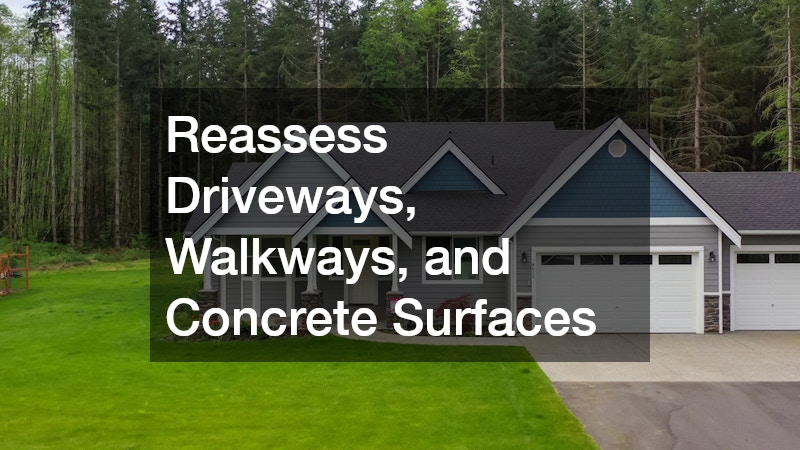
Cracked or uneven concrete is more than a cosmetic issue, since it can create tripping hazards and allow water to seep beneath the surface, accelerating damage over time. Before pouring new concrete, it is often necessary to address what is already there, which is where concrete demolition comes into play for badly damaged driveways or patios. Removing failing concrete properly prevents new installations from being undermined by the same underlying issues.
If only small sections are cracked, patching may be a reasonable short-term fix, but widespread damage usually signals a bigger problem with the base or drainage underneath. Getting a professional assessment before deciding between patching and full replacement can save you from paying twice for the same project. Concrete work is also a good opportunity to correct drainage issues that may be affecting nearby structures.
- Look for widespread cracking, sinking, or uneven slabs
- Check whether drainage issues are contributing to the damage
- Compare patching costs against full replacement for large areas
- Address problems before they affect nearby structures or utility lines
Build a Realistic Order of Priorities
With so many possible projects competing for your budget, it helps to rank them by risk level rather than by personal preference alone. Systems that protect the structure and safety of your home, like the roof, foundation, and climate control, should generally come before purely cosmetic upgrades. Once those essentials are secure, you can shift attention toward comfort and lifestyle improvements without worrying about hidden damage working against you.
Revisit your priority list every year, since home systems age and needs change over time. A simple annual walkthrough of your roof, HVAC system, plumbing, and outdoor areas can help you catch small issues before they escalate. Staying proactive rather than reactive is the most reliable way to protect both your home and your budget.
- Rank projects by safety risk before considering aesthetic value
- Set aside a maintenance fund for unexpected repairs
- Reassess priorities annually as systems age
- Address small problems immediately rather than deferring them
Conclusion
Deciding where to invest first does not have to be complicated once you understand which systems protect your home and which simply enhance it. Start with the roof, heating and cooling systems, and any signs of structural risk, then move toward flooring, bathrooms, and larger renovations as your budget allows. Outdoor spaces, landscaping, and concrete work can round out your plan once the essentials are secure. Taking a methodical, priority-based approach will help you protect your home’s value while making the most of every dollar you spend.