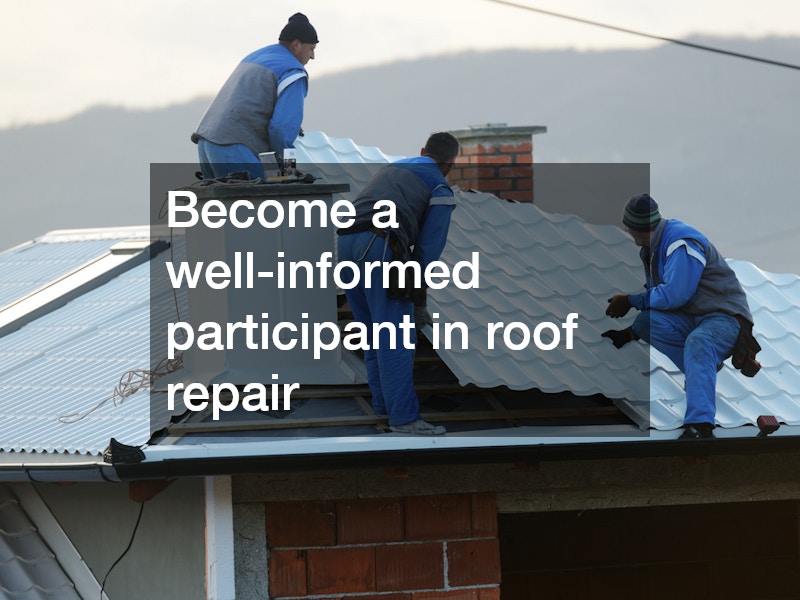
Here, we will explore the various terms commonly used in the roof repair industry. Understanding these terms can help you make informed decisions when discussing repair options with professionals. We’ll dive deep into the world of roofing service, guiding you through materials, contractors, processes, maintenance, and warning signs of roof damage. Not only will you become familiar with industry jargon, but you’ll also appreciate the nuances that differentiate one solution from another.
With a solid grasp of these concepts, you can confidently engage with roofing service providers and get the optimal repair solutions for your home.
1. What are the common roofing materials?
1.1 Asphalt Shingles
Asphalt shingles are one of the most popular roofing materials in use today. Known for their affordability and ease of installation, they offer a reliable option for many homeowners. These shingles come in various colors and styles, allowing for customization to match your home’s aesthetic. In addition to their visual appeal, asphalt shingles provide effective protection against various weather conditions. Choosing proficient roofing service providers is crucial to maximizing the benefits of asphalt shingles.
1.2 Metal Roofing
Metal roofing is celebrated for its durability and long-term performance. These roofs are known to withstand severe weather conditions, making them ideal for areas prone to heavy rain, snow, or strong winds. Their strength not only protects homes but also contributes to a longer lifespan than traditional asphalt shingles. Typically, a metal roof can last anywhere from 40 to 70 years, offering exceptional value over time. Partnering with a roofing service provider experienced in metal roofing can further increase its efficiency and durability.
1.3 Clay and Concrete Tiles
Clay and concrete tiles offer distinct benefits in terms of longevity and aesthetics. Clay tiles are often favored for their natural and traditional appearance, which can enhance the architectural style of many homes. They are incredibly durable, with lifespans extending well over 50 years when properly maintained. On the other hand, concrete tiles, although slightly less natural in appearance, provide a robust and long-lasting alternative. Concrete tiles are also easier to install and generally more cost-effective, making them a popular choice for a sustainable roofing service solution.
2. How do I choose the right roofing contractor?
2.1 Checking Credentials
When choosing a roofing contractor, it’s important to verify their credentials and certifications. A reliable roofing service provider should hold the necessary licenses required by local authorities, ensuring compliance with building codes and standards. Additionally, they should have proof of insurance to protect against liabilities or accidents. Checking for affiliations with industry associations can also highlight a contractor’s commitment to professionalism and quality work. With these credentials, you can feel more confident in the expertise and reliability of your chosen roofing service provider.
2.2 Reading Reviews
Reading customer reviews is a critical step in selecting a reputable roofing contractor. Reviews provide insight into past clients’ experiences, offering a glimpse into the contractor’s work quality and customer service. It’s helpful to look for patterns in feedback, like consistent praise for timeliness or dissatisfaction due to poor communication. Reviews can also reveal how contractors handle unforeseen issues or challenges during projects. An established roofing service provider will usually display numerous positive reviews, serving as testimonials to their commitment to customer satisfaction.
2.3 Comparing Estimates
Comparing estimates from different roofing contractors is vital in securing a fair price for your project. Each estimate should detail the work to be performed, materials included, and a timeline for completion. While cost is a substantial factor, the cheapest option isn’t always the best choice; it’s important to weigh estimates against reputations, reviews, and the scope of services offered. By carefully analyzing estimates, you can ensure the roofing service you select offers competitive pricing and aligns with your quality expectations. Taking the time to compare accurately can prevent unexpected costs and assure balanced financial decision-making.
3. What is the typical process of a roof repair?
3.1 Initial Assessment
A thorough initial assessment is a critical first step in the roof repair process. A qualified roofing service professional conducts a detailed inspection to evaluate the current condition of your roof and identify any underlying issues. This assessment typically includes inspecting shingles, flashing, vents, gutters, and the overall structural integrity. Based on this evaluation, the contractor presents a comprehensive report, including recommended repair strategies. Accurate assessment is essential to ensure that repairs are effectively aligned with the roof’s specific needs and that lasting solutions are applied.
3.2 Repair Options
Once the assessment is complete, discussing repair options with your roofing service provider is important. Various techniques are commonly employed, such as replacing damaged shingles, sealing leaks, and reinforcing structural supports. The choice of method will depend on factors like the roof’s material, the extent of damage, and projected longevity. Advanced repair techniques may involve innovative materials designed to prolong the roof’s lifespan and enhance performance. By understanding available repair options, you can collaborate with your contractor to develop a tailored, cost-effective solution for your roof.
3.3 Final Inspection
After repairs are completed, a final inspection ensures that all work aligns with industry standards and your specifications. This crucial step involves a comprehensive check by the roofing service provider to verify that repairs were executed correctly and all issues addressed. The inspection also serves as an opportunity to confirm compliance with local codes and regulations, offering peace of mind regarding safety and durability. Any outstanding concerns can be raised and resolved at this stage, prior to project sign-off. A meticulous final inspection is critical in ensuring the quality and longevity of roof repairs.
Familiarizing yourself with these common roofing terms and questions can significantly empower you as a homeowner. It can help ensure you receive top-quality service during your roof repair process. By understanding the materials, contractor selection, repair procedures, and maintenance strategies, you become a well-informed participant in preserving your home’s integrity. Proactively addressing signs of disrepair also ensures that your home remains safe and secure for years to come. Knowledge and understanding are key to maximizing the value and longevity of any roofing service investment.