

In addition to performance benefits, addressing forgotten improvements supports healthier living conditions. Poor ventilation, outdated materials, and neglected structural elements can affect indoor air quality, moisture levels, and overall comfort. These issues often develop slowly, making them easy to dismiss until they become serious. By paying attention to what is usually ignored, homeowners can create safer, healthier spaces for themselves and their families.
This article is designed to bring attention to the home improvement details that matter most but receive the least attention. By understanding and addressing these areas, homeowners can achieve results that go beyond aesthetics and deliver lasting value. True upgrades are not always the ones that stand out immediately— they are the ones that quietly improve how a home functions every day.
Prioritize Safety Improvements That Add Long-Term Value
Hidden safety upgrades can significantly enhance daily living, providing peace of mind and increasing a home’s resale appeal. While visual enhancements are enticing, it’s crucial not to dismiss essential safety improvements like gas heating repair and egress windows. These upgrades, often taken for granted, can play a pivotal role in creating a safer environment.
Heating issues are commonly linked to neglected gas heating systems that might go unnoticed until they become severe. Similarly, homeowners often delay installing necessary egress windows, undermining safety during emergencies. By giving attention to these hidden aspects, you ensure that your home’s safety standards are not compromised.
Proactively addressing potential hazards can prevent devastating consequences. Understandably, many homeowners overlook warning signs, but recognizing when to make proactive upgrades can ultimately save costs and lives. Prioritize safety to add enduring value and protection to your home.
Improve Bathroom Performance Beyond Surface-Level Style
Bathroom renovations often prioritize aesthetics over functionality, leading to spaces that look good but fail to perform. The inclusion of frameless glass shower doors can enhance the space visually, but investing in spray foam insulation is what ensures prolonged comfort and efficiency. By addressing both style and functionality, you enhance your bathroom’s usability.
Moisture control is critical in utility spaces like bathrooms, which are frequently subjected to humidity. Incorporating materials that resist mold growth not only improves durability but also enhances daily usability. Quality insulation, paired with functional design choices, results in a lasting and efficient space.
Beyond initial aesthetics, long-term benefits become evident as efficient moisture management can prevent costly mold and mildew problems. Emphasizing energy efficiency saves on bills while ensuring a healthier environment. It’s essential to balance improvements in both aesthetics and functionality for comprehensive upgrades.
Restore Exterior Surfaces Before Structural Damage Sets In
External surfaces of a home endure constant wear from the elements, and neglecting their maintenance can accelerate deterioration. Dirt and mold can obscure not only the beauty of the home but also threaten its structural integrity if left untreated. Partnering with local pressure cleaning companies can be a proactive measure against such threats.
Regular cleaning isn’t merely cosmetic; it is preventative, aiming to curb the effects of weather-related wear and tear. By keeping surfaces such as siding, driveways, roofs, and walkways clean, homeowners can prevent minor issues from escalating into expensive repairs. Scheduled maintenance protects the home and sustains its market value.
Pressure cleaning removes harmful build-ups that can eat away at materials over time. By addressing these often-ignored areas, you fortify your home against harsh environmental elements. Early interventions are key components of safeguarding the home’s exterior and protecting your investment.
Strengthen Home Security With Integrated Entry Controls
Modern home security transcends traditional measures such as basic locks and alarms, evolving to include sophisticated integrated systems. These advancements offer enhanced safety by providing house-wide coverage and monitoring. Utilizing access control installation services can optimize security by controlling and monitoring entry points.
Controlled access adds value by addressing potential vulnerabilities in residential properties, ensuring homeowners know who enters their space and when. From secured doors and gates to automated garage controls and smart entry points, security has shifted towards comprehensive protection. Each component collectively enhances the security perimeter.
The key to modern home security is its ability to integrate multiple systems into a cohesive unit. This integrated approach allows homeowners the flexibility to customize security settings according to their specific needs. In an era where safety is paramount, exploring comprehensive security options becomes imperative.
Address Hidden Environmental Hazards During Renovations
During renovations, older homes often reveal unexpected environmental hazards that pose significant risks if unaddressed. Materials like asbestos might be present, unknowingly endangering those within until identified and managed properly. Asbestos abatement is a crucial process that ensures health and safety compliance during renovation projects.
Ignoring such hazards during construction can lead to severe health implications and legal issues. Professional assessment and removal prevent these complications, safeguarding not just current occupants but also future ones. Recognizing potential risks and addressing them swiftly ensures legal adherence and long-term safety.
Safety extends beyond immediate effects to include comprehensive well-being for all residents. With a proactive mindset, responsible renovation embraces safety as a fundamental goal. Integral to maintaining the dwelling’s longevity, hazard management is essential during any renovation process.
Upgrade Insulation Where It Actually Makes a Difference
Proper insulation is critical for preventing energy loss and ensuring consistent indoor comfort. However, not all areas are prioritized equally when it comes to insulation improvements. Ignoring crucial spaces such as crawl spaces, rim joists, and attic edges could result in undesired energy inefficiencies.
Sophisticated solutions like spray foam insulation offer superior results by sealing gaps and enhancing thermal performance. This approach targets overlooked areas prone to heat loss, thereby enhancing a home’s energy efficiency. Investing in comprehensive insulation solutions will yield substantial energy savings and improved air quality.
Benefits extend beyond mere cost-effectiveness as improved insulation directly impacts occupancy comfort and environmental sustainability. By ensuring spaces are adequately insulated, homeowners promote more sustainable practices while lowering energy consumption. Targeted improvements play a strategic role in achieving holistic energy efficiency.
Manage Drainage and Waste Systems Before They Fail
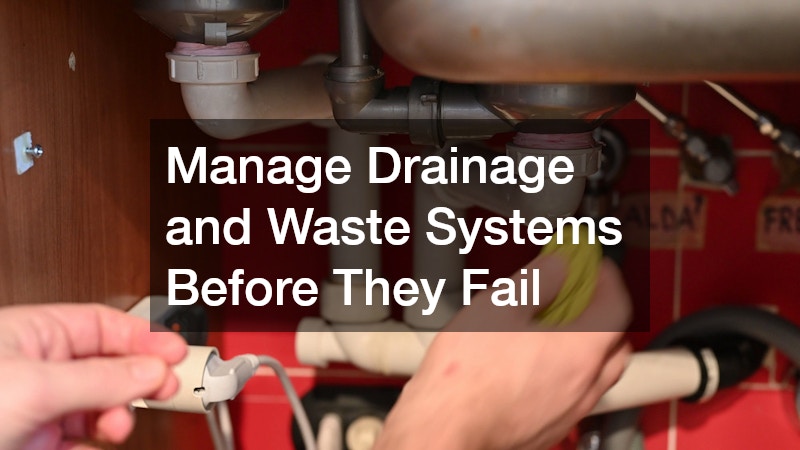
Underground drainage and waste systems tend to be neglected when planning home maintenance, yet they are pivotal assets requiring attention. When septic system services are deferred until emergencies, repairs can become significantly more costly. Observing and maintaining these systems can prevent disruptive failures.
Homeowners often miss early signs of drainage issues due to their invisibility, magnifying the risk of unexpected setbacks. Regular inspections and maintenance enable households to pinpoint issues before they evolve into critical problems. Preventative care effectively minimizes disruptions and costly repairs.
An active approach to managing drainage and waste systems extends beyond maintenance to incorporate continuous monitoring. Routine checks ensure that these systems perform optimally, safeguarding health and avoiding inconveniences. A forward-thinking attitude ensures robustness and longevity in home infrastructure.
Improve Yard Safety and Visibility With Strategic Clearing
An overgrown yard not only detracts from a home’s visual appeal but can also conceal underlying safety hazards. Vegetation impinges on visibility and, if left unchecked, can compromise structural integrity by affecting foundations. Strategic interventions like tree removal safeguard the landscape and enhance safety.
Dead or unstable growth poses specific threats during adverse weather conditions, yet these risks are often dismissed. Regular clearing prevents obstructions from becoming hazardous and maintains the property’s accessibility. Observance and proactive management are the twin pillars of landscape maintenance.
Integrating storm preparation in landscape care helps mitigate potential damage. Working alongside professional tree trimmers ensures the timely removal of threats while promoting healthy growth. Prioritizing landscape upkeep reinforces overall property safety and sustains aesthetic appeal.
Maintain Healthy Trees to Protect Your Home and Investment
While trees contribute to property aesthetics, neglecting their maintenance can lead to emergencies that threaten safety and structural integrity. Recognizing the distinction between routine upkeep and emergency interventions is crucial for maintaining a healthy landscape. Frequent care prolongs tree life and reduces associated risks.
Regular trimming by skilled tree trimmers mitigates the incidence of falling branches or uprooting during storms. It also promotes robust growth, preserving the tree’s health. Understanding the strategic timing and techniques reinforces tree health and shields the surroundings from potential dangers.
In maintaining a thriving landscape, protection extends beyond achieving symmetry to reaffirming security. Professional maintenance nurtures resilient trees while simultaneously enhancing property value. Consequently, balanced upkeep becomes an asset in safeguarding your home and landscape investment.
Plan Improvements That Support Each Other Over Time
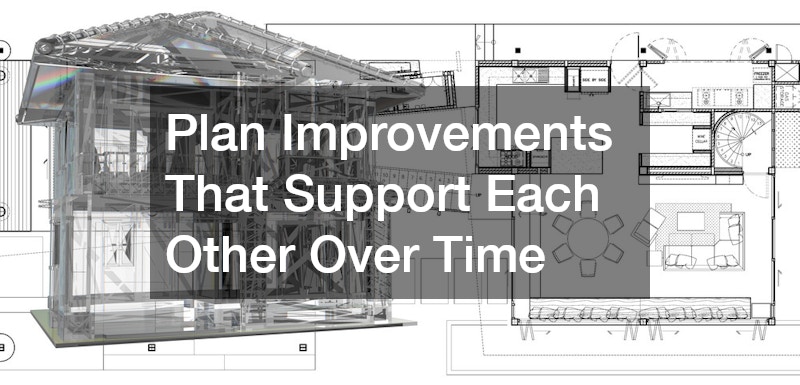
Home upgrades that fail to account for holistic interaction often lead to fragmented systems that underperform. Efficiently orchestrated renovations ensure that improvements complement each other, optimizing the home’s functionality. Coordinating projects minimizes rework and prevents unnecessary expenditures.
By understanding the impact of sequence, homeowners avoid pitfalls associated with isolated upgrades. Structured projects allow a property to evolve harmoniously, enhancing both efficiency and value over time. Careful planning highlights the synchronization between systems and their cohesive contribution to home improvement.
Holistic planning isn’t simply about timing— it’s also about collaboration among systems to enhance overall functionality. Thoughtfully designed renovations drive innovation, eliminating redundancies while capitalizing on the full potential of each improvement. This strategic approach contributes to sustainable, advantageous property enhancements.
Lasting home improvement is rarely about dramatic, eye-catching changes alone. While surface upgrades can refresh a space, they often mask deeper issues that continue to affect comfort, safety, and durability. The most meaningful improvements are frequently the ones homeowners do not see every day— those that strengthen systems, prevent future problems, and allow the home to function smoothly year after year. By shifting attention to these often-forgotten details, homeowners move from short-term fixes to long-term solutions.
Addressing overlooked improvements also changes how homeowners experience their living spaces. A home that operates efficiently feels more comfortable, requires less ongoing maintenance, and responds better to seasonal changes. When foundational systems are properly maintained and upgraded, daily life becomes more predictable and less stressful. This stability is one of the most valuable yet underappreciated outcomes of thoughtful home improvement planning.
Financially, investing in functional upgrades protects against unexpected costs and emergency repairs. Preventative improvements tend to be far less expensive than reacting to system failures or structural damage. Over time, these smart decisions compound, preserving property value and making future renovations easier and more cost-effective. Homeowners who think ahead are better positioned to adapt their spaces as needs evolve.
Equally important is the peace of mind that comes from knowing a home is safe, efficient, and well cared for. When critical systems are properly addressed, homeowners can focus on enjoying their space rather than worrying about what might go wrong next. This sense of confidence extends beyond personal comfort and often becomes a strong selling point should the property ever change hands.
Ultimately, true home improvement is about intention and awareness. It requires looking beyond what is immediately visible and understanding how each part of a home contributes to the whole. By prioritizing overlooked details and planning improvements with a long-term mindset, homeowners can achieve results that not only look better but perform better for years to come.